
Acne
Go to
Reviewed on Jun 13, 2023. by Dr Daniel Atkinson GP Clinical Lead Registered with GMC (No. 4624794) Next review due on Jun 13, 2026.
Daniel

Last updated on Jun 12, 2023.

What does erythromycin treat?

You can get topical versions of erythromycin for acne and other skin conditions like rosacea, as well as gastro resistant tablets. These tablets can be prescribed for other bacterial infections like abscesses, chest infections, or STIs, too.

Is erythromycin a penicillin?

No. Erythromycin is an antibiotic like penicillin, but it’s a type of antibiotic called a macrolide. That means if you’re allergic to penicillin, you’ll still be able to use erythromycin.

How does it work?

Erythromycin doesn’t directly kill bacteria like some antibiotics – instead it stops the bacteria growing any further. These kinds of antibiotics are known as bacteriostatic antibiotics, and they stop bacteria making the proteins they need for metabolic functions, repair, and reproduction. This prevents the bacteria growing any further, and should eventually clear up any infection.

Macrolide antibiotics like erythromycin can have anti-inflammatory effects too. This can help with the redness and inflammation caused by acne, reducing your symptoms as it tackles the cause.

What branded treatments use erythromycin?

There are a few branded versions of erythromycin available, depending on where you live. Aknemycin Plus, Erythrocin, Erythroped, Erymax, Erythroped A, and Tiloryth are all names of branded antibiotics that contain erythromycin.

Can you get generic erythromycin?

Erythromycin is available as a generic tablet, which is usually cheaper than its brand-name counterparts. But it contains the same active ingredients and works in the exact same way as the branded versions.

Is Erythromycin only available on prescription?

Yes, erythromycin is a prescription medication. A doctor will need to check if erythromycin is the right treatment for you. This is because taking erythromycin when you don’t need it could increase antibiotic resistance – which means antibiotics may be less effective when you do need them.


What doses of erythromycin are available?

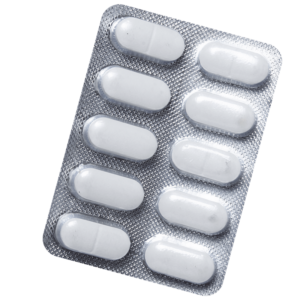
If you’re using oral tablets, there are two erythromycin dosage options available: erythromycin 250mg and erythromycin 500mg. You’ll typically take two erythromycin tablets two times a day, but this can vary depending on how severe your acne is. The maximum daily dose is 4,000mg of erythromycin. You should always follow your clinician’s instructions when taking erythromycin tablets.

As a topical solution, erythromycin is available in combination with zinc acetate in Zineryt and Erythromycin/Zinc acetate 40 mg/12 mg powder and solvent for cutaneous solution, and with tretinoin in Aknemycin plus cutaneous solution. Erythromycin also comes as sugar free granules for oral suspension, a powder to mix with water and drink, or as an injection – but these injections are usually only given in a hospital setting.

How do you take it?

You should always follow your clinician’s instructions when taking erythromycin. You’ll take erythromycin two or four times a day depending on your dosage and doctor’s instructions. You can take your tablets with or without food. Just make sure not to crush, chew, or split your tablets at all.

Does erythromycin work?

Erythromycin has been clinically proven to help with skin conditions like acne. A study compared the efficacy of tetracycline hydrochloride with erythromycin tablets in two hundred people with moderate to moderately severe acne over a 12-week period. Both treatments reduced pustules, papules, and blackheads significantly, with 70% of those using erythromycin stating their acne was improved by the end of week 12.

Topical erythromycin is also effective at treating acne. A study comparing erythromycin gel on its own with erythromycin and zinc acetate concluded that both preparations were effective in significantly reducing acne grading, lesions, and inflammation.

What are the benefits of erythromycin?

As well as reducing the amount of acne-causing bacteria on your skin, erythromycin can also help with inflammation. The bacteria “propionibacterium acnes” (P. acnes) is thought to be responsible for the inflammatory process in the development of acne, by producing what we call neutrophil chemotactic factors (NCF).

When neutrophil chemotactic factors reach the inflamed area, they release inflammatory mediators that regulate your immune response and cause inflammation. A study revealed that erythromycin reduced NCF production by 58.3%, which is responsible for the anti-inflammatory effects of erythromycin.

How soon should you notice erythromycin work?

It typically takes at least two months before you’ll notice much improvement to your acne when using erythromycin. You should take erythromycin until your course is completely finished, even if your condition improves. This helps to make sure the infection is less likely to come back.

Is erythromycin safe?

Erythromycin is generally a safe and effective acne treatment. It’s usually safe to use erythromycin when pregnant and breastfeeding, but you should speak to your doctor first. Erythromycin might not be suitable for you if you have:

  • had an allergic reaction to erythromycin, or any other antibiotics
  • a rare genetic blood disorder known as porphyria
  • had diarrhoea caused by taking antibiotics
  • fast, irregular, or pounding heartbeats
  • a condition called myasthenia gravis –
  • a condition that weakens your muscles
  • low levels of potassium or magnesium (or you’ve had low levels in the past)

When it comes to erythromycin and alcohol, it’s best to try and cut out drinking while you’re using it. There’s no specific contraindication that says you shouldn’t drink alcohol while using erythromycin, but there is evidence that suggests alcohol can slow down its effects.

What side effects are linked to erythromycin?

Erythromycin can cause some side effects, the same as any medication you might take. Not everyone will get them, but some of these side effects can include:

  • nausea and vomiting
  • an increase in a certain kind of white blood cells
  • stomach pain (which might be a sign of pancreatitis)
  • ringing ears (tinnitus)
  • non-permanent hearing loss (typically when using high doses, or if you have pre-existing kidney problems)
  • chest pains
  • fever
  • loss of appetite
  • confusion
  • vertigo
  • hallucinations
  • inflamed kidneys
  • low blood pressure
  • blurred vision

There’s a small chance you can get more serious side effects when using erythromycin. If you get any of the following side effects, stop taking erythromycin and speak to your doctor immediately.

  • Trouble breathing
  • Fainting or lightheadedness
  • Swollen face, lips, or throat
  • Skin rashes
  • Blisters, sores, ulcers, or other severe skin reactions
  • Severe or prolonged diarrhoea that could contain blood or mucus
  • Liver or gall-bladder issues, resulting in yellowing skin or eyes, pale stools, and dark urine
  • Abnormal heart rhythm.
Reference Popover #ref1
Reference Popover #ref2
Reference Popover #ref3
Reference Popover #ref4
Reference Popover #ref5
Reference Popover #ref6
This page was medically reviewed by Dr Daniel Atkinson, GP Clinical Lead on Jun 13, 2023. Next review due on Jun 13, 2026.

Last updated on Jun 12, 2023.

How we source info.

When we present you with stats, data, opinion or a consensus, we’ll tell you where this came from. And we’ll only present data as clinically reliable if it’s come from a reputable source, such as a state or government-funded health body, a peer-reviewed medical journal, or a recognised analytics or data body. Read more in our editorial policy.

Let’s help you choose better.