












What types of weight loss treatment are there?
From tablets to capsules to injections, there are a variety of weight loss medicines available. Which type of treatment is the right option for you usually depends on factors like how prone you are to certain side effects, if you’re currently taking other medicines which may interact with a particular type of weight loss treatment, or if you have certain health conditions.
Which is the best weight loss treatment for me?
It can depend on your health background, and how you prefer to take medication. Weight loss treatments can have side effects, so if you’re likely to get particular symptoms, this may play a big part in which treatments are the most suitable for you. For example, Xenical is a capsule that can trigger severe diarrhoea, so you may be better off with a different product (although it should be noted that all weight loss products can cause diarrhoea).
If you have certain health conditions, or if you’re currently taking certain medication, these can also have a big bearing on what the right treatment option for you is. Mysimba for instance isn’t suitable if you have high blood pressure or if you’re taking antidepressants.
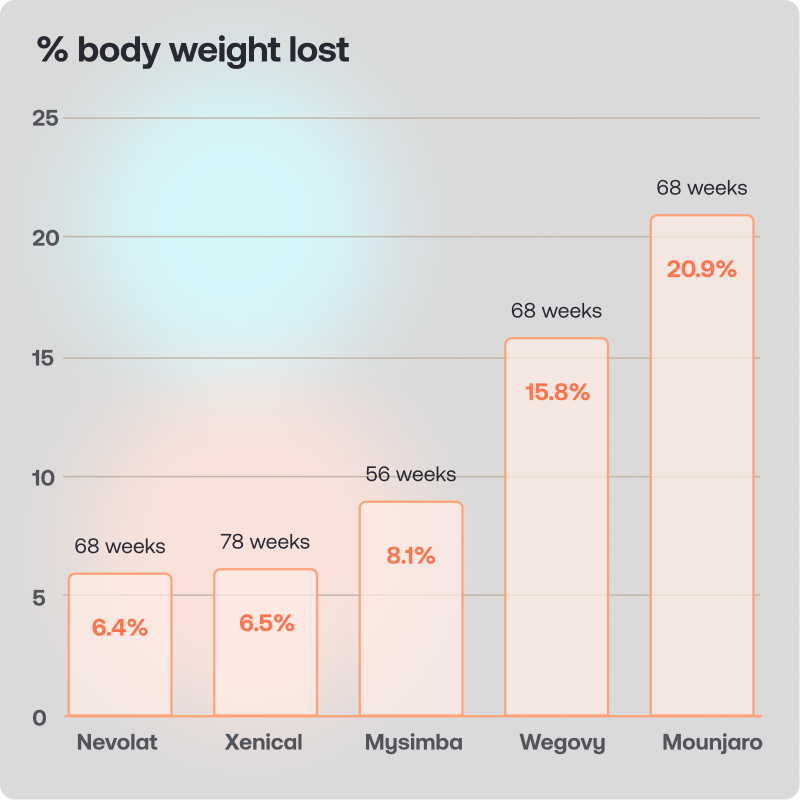
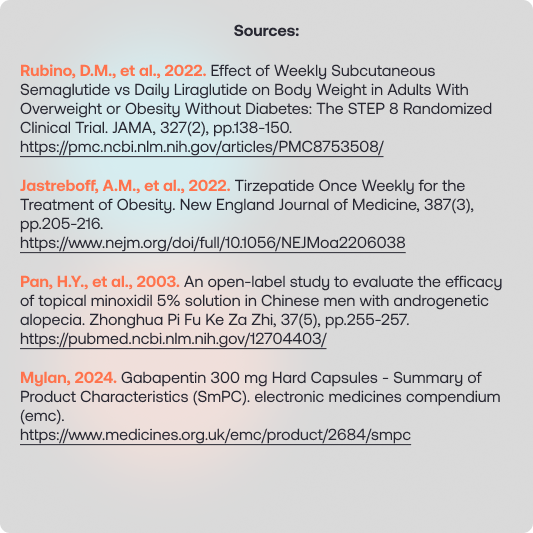
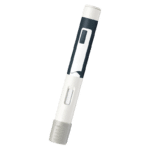
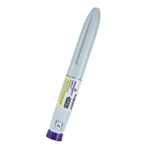
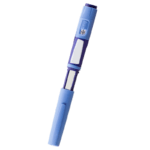
The type of treatment that you can use (or would prefer to use) is another factor. For example, Mounjaro and Wegovy are the most effective weight loss treatments, but not everyone wants to use an injection. Xenical, Orlistat, and Alli are capsules, so if you’re able to and would rather takethem, they might be the best options for you.
Mysimba is a tablet, so if you can take tablets and you find them easier to swallow than capsules, that’s another option you can consider.
Xenical, Orlistat and Alli
Xenical, Orlistat and Alli all contain the same active ingredient, orlistat, and all work in the same way.
There are a few differences though. Xenical is the branded treatment, and the more ‘famous’ weight loss product of the three. Orlistat is the generic version, which means it’s less expensive. Alli is a ‘pharmacy’ medicine, so you don’t need a prescription for it. But you’ll still need to answer a few questions from a pharmacist before you can get it. It’s the cheapest product of the three, but it contains half the dosage of Xenical or Orlistat (60mg rather than 120mg).
Because Alli contains only half the dosage of Xenical and Orlistat, it stops the body from digesting less fat in comparison. Xenical and Orlistat normally prevent one third of your dietary fat from being digested, whereas Alli usually stops about one quarter of dietary fat from being absorbed.
Saxenda, Wegovy, and Mounjaro
If tablets and capsules aren’t suitable for you, injectable pens such as Saxenda, Wegovy and Mounjaro may be your best option. You inject each dose yourself, which is gradually increased until you reach a recommended ‘maintenance’ dose, which you’ll then stay on until you reach your target weight. You can then stay on this dose or reduce the dose to maintain this healthy weight. Like most weight loss treatments, they will work better when they’re used as part of a routine that involves eating a healthy, balanced diet, and increasing the amount of exercise you do.
The right weight loss treatment for you may be dependent on a number of things. Our clinician can talk you through the various options though, factoring in your medical background and any health conditions or side effects that you’re prone to. Weight loss is a personal journey, and one that’s usually not linear. This means what works well for some people might not work as well for others, and finding the right medication can involve a bit of trial-and-error.
Weight loss and diet
If you’re overweight, it may be that changes to your diet, along with exercising on a regular basis, are the two measures that help you to reduce your weight to a healthy level (without the need for any medication).
Having created a food diary and assessed what sort of dietary habits you can adjust on a day-to-day basis, you can start setting yourself realistic (and safe) targets. The British Dietetic Association recommends aiming for losing between 0.5kg to 1kg (1-2 Ibs) a week.[1] This is achievable by managing your daily calorie intake.
If you’re trying to lose weight, it’s really important to do it at a gradual, sustainable rate. Trying to lose too much, too quickly by skipping meals altogether can lead to what’s sometimes called ‘yo-yo-ing’ (your weight fluctuating up and down), because the natural reaction to drastic ‘under-eating’ is ‘over-eating’. If you dramatically ‘under-eat’ as well, you might put yourself at risk of other health problems because your body won’t be getting the nutrients it needs.
So in short, eating healthier things and controlling portion sizes will help you to lose weight and stay at a healthy weight (rather than skipping meals). Regular exercise can also help you burn the calories needed to create a deficit, which is when you’re expending more calories than you’re consuming. If you’re not used to exercising often, it’s a good idea to start off with some gentle workouts, and gradually try to improve your fitness.
Weight loss and exercise
Exercise can help you to burn off excess calories that you don’t lose through making dietary changes alone, so combining the two is more effective than choosing one or the other.
Exercise is also great for keeping your motivation levels up if you’re aiming to lose weight, and boosting your general wellbeing.
Even just moving your body around burns more calories than sitting down, so even small things can make a difference.
Increasing the amount of activity you do bit by bit is usually an effective way to approach exercise if you’re looking to lose weight, as it’s easier to make it part and parcel of your daily routine.
In terms of how much exercise to do in order to lose weight, more than 20 minutes of aerobic exercise at least three times a week is recommended. Aerobic activities are exercises that increase your heart rate, and really get your blood pumping. Walking, running, cycling, dancing and swimming are all examples, and using a treadmill or stair stepper too. But if you prefer weight training to aerobic exercise, this can also be effective for losing weight and burning calories.
If you’re looking to lose weight quickly, around 60 minutes of moderate intensity, daily exercise may be effective.[2] Brisk walking, riding a bike, water aerobics and even pushing a lawnmower are all moderate intensity exercises. Making simple changes to your lifestyle, like walking or riding your bike to work, using stairs instead of lifts, and parking further away from your destination are other easily achievable ways to lose weight.
It’s important to speak to a doctor if you’re overweight before you start a new exercise regime. You should aim to push yourself to begin with, but not too hard. Not only can this lead to injury, it may impact your motivation.
Weight loss surgery: is it an option for me?
It may be. And it can be very effective. But it’s not a small operation, and it’s normally only an option for people who haven’t managed to lose weight in spite of changing their diet and exercising on a regular basis.
If you’ve not had success with these strategies, and you also have a BMI of 40 or above (or a BMI between 35 and 40 and an obesity-related condition that could benefit from surgery) you can discuss it with your GP. Surgery usually involves long-term follow-up with your GP too, to monitor your progress over an extended period of time.