What is Naproxen used for?
Naproxen belongs to a group of medications known as NSAIDs (Non-Steroidal Anti-Inflammatory Drugs). In simpler terms, it’s an anti-inflammatory painkiller often used to treat:
- joint problems, such as gout, osteoarthritis and rheumatoid arthritis;
- pain, such as period, dental or muscle pain;
- ankylosing spondylitis, a chronic condition that causes pain in the neck and back; and
- migraines (this is an off-label use).
Although Naproxen treats multiple conditions, this page will primarily focus on how it works to relieve symptoms of gout. Gout is a condition caused by the buildup of uric acid in your joints. Uric acid is formed when food breaks down and is usually excreted as urine. However, too much uric acid results in the formation of uric acid crystals. These crystals get stored in tissues, mainly around the joints, causing them to swell.[5] This can be painful (known as gout attacks) and irritating.
Gout attacks can come on suddenly, causing severe joint pain and inflammation. Although gout usually occurs in the joints of the big toe, it can also affect your hands, wrists, elbows, or knees.[1] By taking Naproxen, it can help reduce swelling and pain.
How does Naproxen work?
Naproxen works by stopping your body making chemicals called prostaglandins, which are involved in pain and inflammation. By doing this, it’s able to reduce both: pain, and your sensitivity to pain.
Gout attacks are caused by the buildup of uric acid crystals in the joints. These crystals trigger an inflammatory response, which involves chemicals, such as prostaglandins. Prostaglandins are an important chemical in the inflammatory process and are usually released when tissue is damaged. Naproxen can stop the production of prostaglandins, helping relieve pain and inflammation.
Put simply, NSAIDs like Naproxen work by calming down the inflammatory response that causes swelling and pain.
What doses of Naproxen are there?
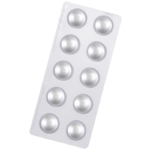
Naproxen tablets come in two different doses: 250mg and 500mg.[2] Whereas Naproxen oral suspension comes as either a 25mg/ml or 50mg/ml dose.
The dosage for gout attacks is an initial 750mg dose, followed by a 250mg dose every eight hours. This helps provide steady pain relief until the attack finishes.[3]
If you’re taking the oral solution of Naproxen, you’ll usually be prescribed 30ml as a first dose and then a 10ml dose every eight hours until you feel better. [4]
How we source info.
When we present you with stats, data, opinion or a consensus, we’ll tell you where this came from. And we’ll only present data as clinically reliable if it’s come from a reputable source, such as a state or government-funded health body, a peer-reviewed medical journal, or a recognised analytics or data body. Read more in our editorial policy.