There are a variety of conditions that cause hair loss, ranging from alopecia to side effects from medications. But a lot of men lose their hair naturally as they get older, and turn to treatment for help.
Depending on the cause of your hair loss, there may be a prescription medication that can help slow your hair loss down, or even help you some if it back. But with so many medications available, you need to understand how each works, and who they’re best for.
On this page we’ll look at the main treatments for hair loss, and explore them in more detail.
For more detailed information on your medication, read the patient information leaflet.
Go to
Reviewed on Mar 17, 2025. byDr Alexandra Cristina CowellWriter & Clinical Content ReviewerRegistered with GPhC (No. 2241935)Next review due on Mar 17, 2028.
Last updated on Sep 15, 2025.
How does hair loss work?
There are different types of hair loss. Sometimes hair falls out suddenly, and other times it thins more slowly. Male pattern baldness happens more as men get older, and genetics play a huge part in this. But sometimes hair loss can also be a secondary symptom of a disease or a side effect of a treatment regimen like chemotherapy.
You should discuss any hair loss that happens suddenly, or that’s caused by an illness or medication with your doctor. They’ll be able to offer further advice or adjust your medication to help with the problem.
Male pattern baldness, also known as hereditary baldness or androgenetic alopecia, won’t have an adverse effect on your physical health. Many men accept it, but some men may seek treatment if they’re anxious or reluctant to lose their hair.
How do hair loss treatments work?
There are a variety of medications that are formulated to help regrow your hair:
Each of these is used to treat male-pattern baldness. Propecia/Finasteride and Avodart/Dutasteride are 5-alpha reductase inhibitors (5-ARIs). 5-ARIs decrease the amount of dihydrotestosterone (DHT) produced in the body. This, in turn, reduces male-pattern hair loss. Regaine/Minoxidil, on the other hand, is a vasodilator. It works to reduce hair loss by increasing blood flow to your hair follicles.
Propecia (Finasteride)
Propecia (finasteride) is a prescription medication that is used to treat male-pattern hair loss. Men who suffer from male-pattern hair loss get it from genetics and higher concentrations of DHT. While you can’t change your genetic predisposition to hair loss, Propecia (finasteride) works to reduce the levels of DHT in your body to reduce hair loss. The dose of finasteride for hair loss is 1mg daily.
It’s easy to take Propecia (finasteride). Simply take one pill every day. You can take it with or without food. Stop taking it and tell your doctor if you exhibit any symptoms of an allergic reaction or depression.
Pros and Cons of Finasteride
It’s easy to remember to take a single pill each day. It’s the most effective hair loss treatment that works for up to 90% of men .
The side effects of finasteride include a variety of allergy symptoms, as well as altered moods. This can manifest as depression, but data from the World Health Organization has found an association between finasteride and suicidality. The reason for the link has not been determined .
You should stop taking finasteride immediately if you develop depression or suicidal thoughts and contact your doctor as soon as possible.
Another important potential side effect is so-called Post-Finasteride syndrome. This is a condition characterised by reduced libido, erectile dysfunction, depression and gynecomastia reported by men who have taken oral finasteride and discontinued it. Despite these rare side effects, finasteride remains one of the best hair loss treatments on the market .
Regaine (Minoxidil)
Regaine (minoxidil) is a foam or a solution that are topically applied to your scalp. It is the most popular form of minoxidil. Other forms of minoxidil include pills called Loniten or Minoxidil, which aren’t recommended for hair loss, and a Minoxidil 5% topical spray for hair loss.
Minoxidil is a vasodilator that increases blood flow to your scalp, encouraging hair growth. It comes as a topical solution or foam that’s easy and convenient to apply. As it’s a topical medication, it has a lower risk of causing side effects throughout the body compared to oral medications. This makes it a good option for men who are concerned about potential side effects from hair loss treatments. While Regaine is primarily for men, there’s also a formulation for women.
Pros and cons of minoxidil
Tablet medications like finasteride and dutasteride have a higher risk for side effects because they circulate throughout your body, whereas minoxidil (Regaine) is topically applied to your scalp. As a result, the risk of side effects for minoxidil is lower, making it one of the best hair growth products for men.
The side effects of minoxidil are usually localised to your scalp. These include itching, rash and headache. You may also have an allergic reaction including facial and throat swelling, heart palpitations, and low blood pressure. If you experience any signs that you are allergic to minoxidil, immediately discontinue use and talk to your doctor about other treatments for hair loss.
Avodart (Dutasteride)
Avodart (dutasteride) is a prescription drug usually used to treat an enlarged prostate. It’s an off-label drug for hair loss, which means it isn’t prescribed for the treatment mentioned in the patient information leaflet. This doesn’t mean it’s not safe, as your clinician will only prescribe it if they deem it safe and effective for you.
It comes as a hard or soft capsule that you take once a day, with food if you prefer, but it isn’t necessary. It’s a 5-ARI that reduces hair loss by reducing the amount of DHT in your body. Avodart (dutasteride) is not a suitable treatment for women with hair loss—it is only for men.
Pros and cons of dutasteride
Avodart (dutasteride) can be a very effective treatment for hair loss, as up to 85% of men can expect to see reduced hair loss while using it. It is an easy treatment to adhere to since it’s a single capsule that you take once a day. This also makes it very convenient because it can be taken anywhere.
It’s important to note that dutasteride is not a drug that is specifically licensed for hair loss treatment. Dutasteride is actually a treatment used to reduce the size of your prostate gland. Reduced hair loss is a secondary effect of the drug. As a result, if your doctor prescribes this to treat your hair loss, it’s an off label use. The side effects for this drug include an itchy rash, hives, and facial and throat swelling, but also erectile dysfunction, decreased libido, ejaculation problems.
How do I know which one is right for me?
The best hair loss treatment for men depends on individual factors. Different people experience different results from treatment. Your doctor will review your medical history and the cause of your hair loss to determine which treatment regimen to pursue.
Propecia (finasteride), Regaine (minoxidil), and Avodart (dutasteride) are all effective treatments for male-pattern hair loss. Determining the appropriate medication for you depends on various factors: allergies, convenience, cause of hair loss, and personal preference.
If you prefer a quick and simple treatment, choosing a daily pill, like Propecia (finasteride) or Avodart (dutasteride) might be a better fit for you. Swallowing a pill can be an easy habit to incorporate into your daily life. However, if you don’t like swallowing pills, then Regaine, which is a daily topical foam, might be more convenient. Ultimately, the best choice depends on your individual preferences and priorities.
Whatever your reasons, the hair loss treatment you choose will depend upon the discussion you have with your doctor. The most important part is that you thoroughly research each option to determine which medication attributes are most important to you.
Your doctor will tell you to immediately discontinue the use of any medication that causes an allergic reaction. Even if it’s a mild reaction. Hair growth isn’t worth risking your life, as allergic reactions can increase in severity with each exposure and can even lead to death.
Which is the most effective hair loss treatment?
Propecia (finasteride) boasts the highest effectiveness, working for up to 90% of men, followed by Avodart (dutasteride) which works for up to 85% of men, and lastly, Regaine (minoxidil) which is effective for over 80% of men. Keep in mind, though, that this will vary from person to person. What’s effective for you might not work as well for others, and vice versa.
How to safely use hair loss treatments
Using medication to treat hair loss can be effective. Just like other treatments, it can carry risks. In order to use these options safely, you should be careful to choose medications that are proven to be safe. If you experience any adverse side effects, be sure to tell your physician.
What can be done alongside treatment to help with hair loss?
In short, making healthy lifestyle choices across the board, and taking good care of your hair. This means:
eating well,
managing stress,
creating a healthy scalp environment,
and being gentle when washing, brushing, and styling.
More specifically, nutrients like protein and zinc facilitate hair growth and repair, and iron may help to nourish your hair follicles. So it’s really important that you try and maximise these nutrients in your diet. Vitamins B7, C, D, and E are thought to help, too.
In terms of stress management, try and get plenty of regular exercise, practice mindfulness and meditation, get plenty of sleep, and spend time doing activities you enjoy. These can all help lower your risk of stress-related hair loss (a condition called telogen effluvium).
How you treat your hair on a daily basis can significantly impact its health and minimise breakage, too. Avoiding harsh treatments, for example, like bleaching, perming, and straightening, will help to maintain the strength of your hair shafts. If you do choose to style your hair with heat, apply a heat protectant spray beforehand.
When washing your hair, it’s a good idea to use a mild shampoo and lather it gently. Then wait until your hair is dry before brushing it, as it’s more fragile when wet. Wide-toothed combs are also better for safely detangling. And lastly, if your hair is long, try to keep to loose hairstyles when possible. Ponytails, buns, and braids can all pull on your hair follicles and lead to a type of hair loss called traction alopecia.
And lastly, maintain good scalp health by:
Washing your hair regularly (this helps remove excess oil, product buildup, and dead skin cells which can clog hair follicles).
Massaging your scalp to help increase blood flow to your hair follicles. This can be done with your fingertips or a scalp massager.
Considering beneficial oils like rosemary oil, which may promote hair growth when applied to your scalp.
What are my options besides medication?
If medication doesn’t work for you, there are alternative options.
Surgical hair transplantation involves moving hair follicles from a dense area of growth, known as the ‘donor site’, to a bald or thinning area. It’s typically performed under local anaesthesia and can take several hours to a full day. Full results take around 10-18 months, and are considered permanent.
Low-level laser therapy is a non-invasive treatment that uses red light to stimulate cellular activity in the hair follicles. The exact mechanism isn’t fully understood, but it’s believed to enhance blood flow, reduce inflammation, and encourage hair follicles to enter their growth phase.
Platelet-rich plasma therapy is a medical treatment that involves using a concentration of your own platelets to accelerate healing and stimulate hair growth. A course tends to involve three sessions spaced about a month apart, with maintenance sessions every 6-12 months. Results can become visible within a few months.
Scalp micropigmentation is a cosmetic procedure that creates the illusion of fuller hair by tattooing tiny dots of pigment onto your scalp.
If you’d prefer immediate or less-invasive results, cosmetic and styling options might be a better fit for you. These can include hair systems, wigs, and hairpieces, which can be made from human or synthetic hair and are designed to look and feel natural.
Zhou, Z., Song, S., Gao, Z., Wu, J., Ma, J. and Cui, Y. (2019).
The efficacy and safety of dutasteride compared with finasteride in treating men with androgenetic alopecia: a systematic review and meta-analysis. Clinical Interventions in Aging, Volume 14, pp.399–406.
Efficacy of finasteride for treating patients with androgenetic alopecia who are pileous in other areas: A pilot study in Japan. Indian Journal of Dermatology, 59(2), p.163.
Nguyen, D.-D., Marchese, M., Cone, E.B., Paciotti, M., Basaria, S., Bhojani, N. and Trinh, Q.-D. (2021).
Investigation of Suicidality and Psychological Adverse Events in Patients Treated With Finasteride. JAMA dermatology, 157(1), pp.35–42. [Accessed 28 Sep. 2021].
Tsunemi, Y., Irisawa, R., Yoshiie, H., Brotherton, B., Ito, H., Tsuboi, R., Kawashima, M. and Manyak, M. (2016).
Long-term safety and efficacy of dutasteride in the treatment of male patients with androgenetic alopecia. The Journal of Dermatology, 43(9), pp.1051–1058.
A one-year observational study with minoxidil 5% solution in Germany: results of independent efficacy evaluation by physicians and patients. Journal of the American Academy of Dermatology, 50(3), p.P91.
Long-Term Effectiveness and Safety of Dutasteride versus Finasteride in Patients with Male Androgenic Alopecia in South Korea: A Multicentre Chart Review Study. Annals of Dermatology, 34(5), 349-359.
The Effect of Platelet-Rich Plasma in Hair Regrowth: A Randomized Placebo-Controlled Trial. Stem Cells Translational Medicine, 4(11), pp.1317–1323.
How we source info.
When we present you with stats, data, opinion or a consensus, we’ll tell you where this came from. And we’ll only present data as clinically reliable if it’s come from a reputable source, such as a state or government-funded health body, a peer-reviewed medical journal, or a recognised analytics or data body. Read more in our editorial policy.
Choose how you do healthcare.
We know health, but you know you.
Our experts tell you what’s safe, but you decide what’s best.
Consult on your own time
Answer a few questions and tell us about yourself. Get tailored advice from our clinicians so you can choose better.
Treatments to fit your life
Choose your treatment and how often you have it delivered.
Your health, continued
We know things change. It’s the nature of life. We’ll check in regularly to make sure your treatment is still right for you.
Control at your fingertips
Pause. Change. Skip. Start again.
Any time you like.
We're making healthcare more about you. Sign up to our newsletter for personalised health articles that make a difference.
Disclaimer: The information provided on this page is not a substitute for professional medical advice, diagnosis, or treatment. If you have any questions or concerns about your health, please talk to a doctor.
By clicking 'Subscribe now' you're agreeing to our Privacy Policy.
What did you like about it?
What didn't you like about it?
Reviews you can trust
All of our reviews are collected from real patients after their treatment has been delivered.
We publish reviews collected through independent platforms including Reviews.io and Trustpilot.
Last updated on Sep 15, 2025.
How we reviewed this page:
Why this page was updated on Sep 15, 2025
We reviewed and expanded the content on this page, including more information about non-pharmaceutical options for hair maintenance and re-growth in particular.
Current version (Sep 15, 2025)
Edited by: The Treated Content Team.Medically reviewed by: Dr Alexandra Cristina Cowell, Writer & Clinical Content Reviewer
Mar 17, 2025
Edited by: The Treated Content Team.Medically reviewed by: Dr Alexandra Cristina Cowell, Writer & Clinical Content Reviewer
We reviewed the content on this page and made some structural changes to make it more reader-friendly and accessible.
Jun 21, 2022
Published by: The Treated Content Team.Medically reviewed by: Dr Daniel Atkinson, GP Clinical Lead
How we source info.
When we present you with stats, data, opinion or a consensus, we’ll tell you where this came from. And we’ll only present data as clinically reliable if it’s come from a reputable source, such as a state or government-funded health body, a peer-reviewed medical journal, or a recognised analytics or data body. Read more in our editorial policy.
Dr Daniel Atkinson
GP Clinical Lead
Dr Daniel oversees all matters clinical at Treated. He supports the rest of our team to make sure everything we’re doing is safe and puts patients first. He also spends a lot of time consulting with patients first hand, so he can see how well things are working and what we can improve. Registered with the GMC (No. 4624794).
When we present you with stats, data, opinion or a consensus, we’ll tell you where this came from. And we’ll only present data as clinically reliable if it’s come from a reputable source, such as a state or government-funded health body, a peer-reviewed medical journal, or a recognised analytics or data body. Read more in our editorial policy.
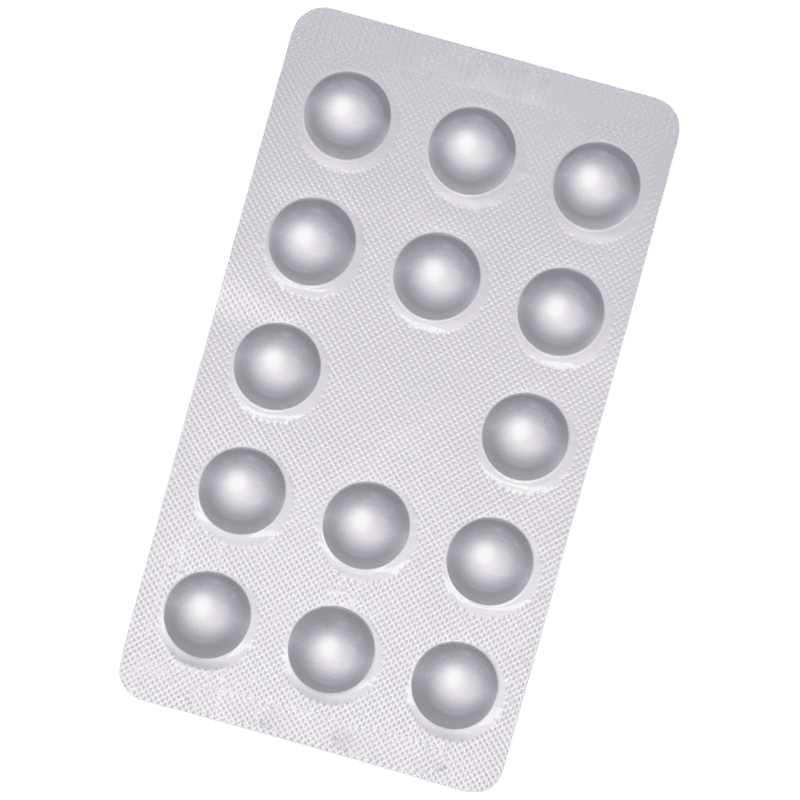
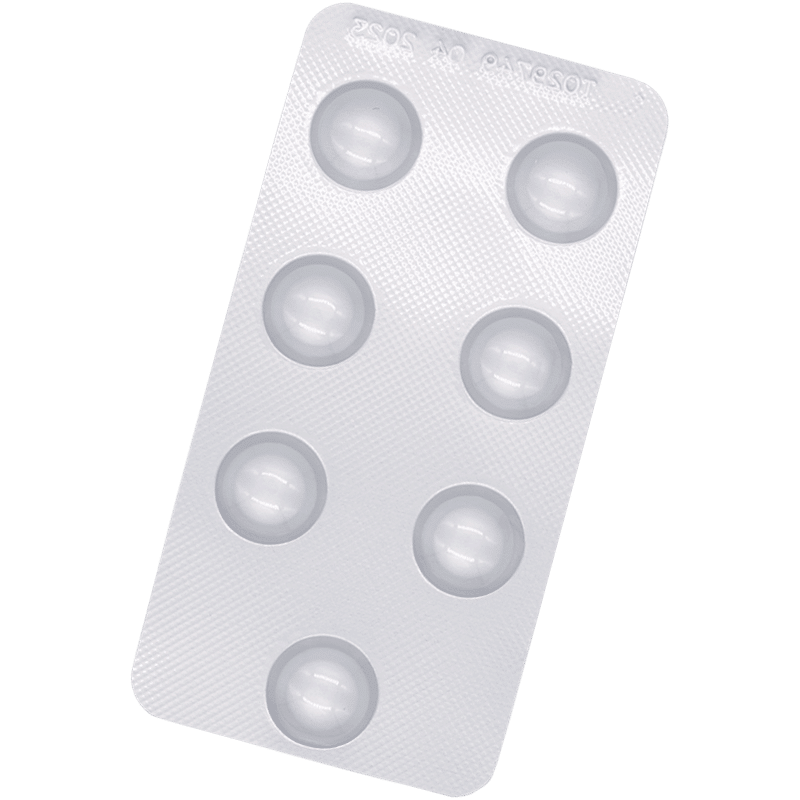




 It’s easy to remember to take a single pill each day. It’s the most effective hair loss treatment that works for up to 90% of men
 Using medication to treat