
Champix

Go to
Medically reviewed by
Dr Daniel Atkinson
GP Clinical Lead
on Nov 13, 2024.
Meet Daniel  
Daniel

Last updated on Nov 13, 2024.

Was this article useful?

An estimated 1.3 billion people worldwide use tobacco products . Cigarette smoking is a huge risk to your health, and some studies have suggested two thirds of smokers will die of a smoking-related death .

Smoking can cause a wide range of problems, such as:

  • a lack of energy,
  • lower lung capacity,
  • yellowing teeth,
  • premature aging,
  • lung cancer,
  • and heart disease.

There is some evidence to suggest that over half of adults who smoke want to quit, but doing so can be very difficult. Smoking cessation aids, such as Varenicline, can make overcoming the chemical addiction to nicotine easier.

How does Varenicline work?

Varenicline is considered to be one of the most effective medications for quitting smoking. It has two important functions to help you stop. Firstly, it works to reduce cravings for nicotine. Secondly, it blocks the positive effects of smoking. These positive effects give smokers the feeling of reward, pleasure and reinforcement, which makes them continue smoking.

When taken, it interferes with the receptors in your brain that are stimulated by nicotine. This then mimics the effects of nicotine, by slightly stimulating the receptors in the brain to reduce feelings of cravings and withdrawals. But it also stops nicotine from attaching to these receptors, to lessen the temptation to smoke and reduce withdrawal symptoms such as trouble sleeping, feeling irritable and experiencing depression or anxiety.

It’s important to note that it isn’t the same as Nicotine Replacement Therapy (NRT). NRT works by providing a small amount of nicotine. Varenicline is usually taken when NRT hasn’t worked or isn’t appropriate.

Varenicline will require willpower and support to ensure that you stick to the treatment. It’s also recommended to seek counselling to work alongside taking Varenicline.

Taking the Varenicline initiation pack

You can begin taking Varenicline while still smoking by using the Varenicline initiation pack. This will gradually increase the amount of Varenicline you take so that your body can get used to the treatment, at the same time as you prepare to quit smoking fully. 

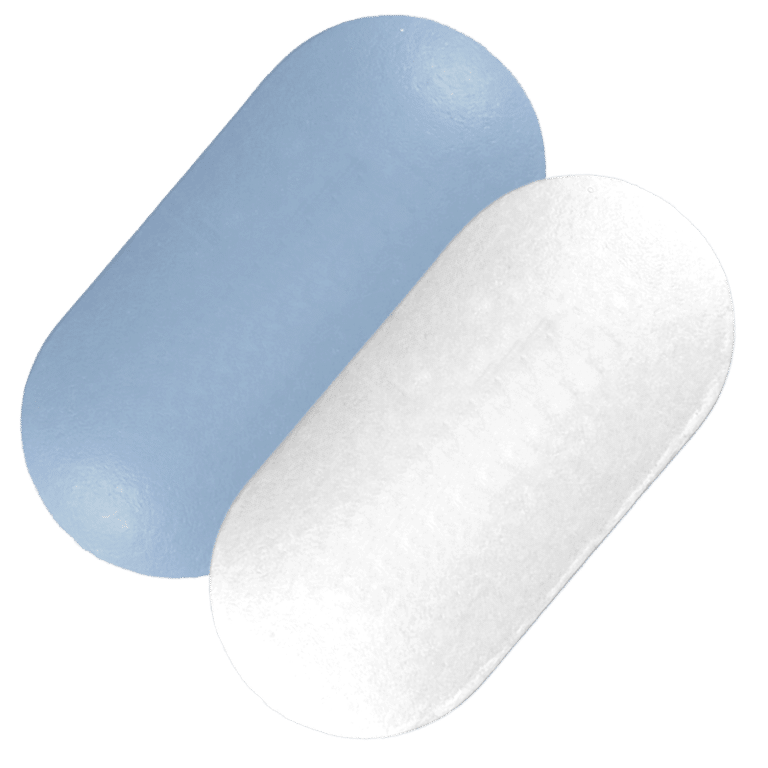
There are 3 different ways to start this medication. The first is the ‘fixed quit’ method, where you choose a date that you’ll quit smoking, then start taking Varenicline 7 to 14 days before this date. Then you’ll continue taking Varenicline for 12 weeks. The timeline for dosage is as follows:

Day Dosage
Days 1-3 One 0.5mg tablet a day
Days 4-7 Two 0.5mg tablets a day (one in the morning and one in the evening)
Days 8-end of treatment Two 1mg tablets a day (one in the morning and one in the evening)

The second way to take Varenicline is the ‘flexible quit’ method. This is where you set a date to stop smoking between weeks 2 and 5 of taking the treatment.

The third way is the ‘gradual quit’ method, where you decrease smoking over the 12 weeks and quit at the end of the 12 weeks.

It’s important to try to stop on the date you set and talk to your doctor to decide which method is best for you.

How to take Varenicline

  • Take the medicine as directed and ask your doctor or pharmacist if you have any questions.
  • Try to take your tablets at the same time everyday. You can take them before or after food.
  • Swallow the medication whole, with water.
  • If you forget to take your dose, take the tablet as soon as you remember, unless it’s nearly time for your next one.
  • If you miss a dose, don’t take a double dose to make up for it.
  • If you have taken too much Varenicline, get medical help immediately.
  • Don’t take Varenicline after the expiry date or if the package appears damaged.
  • Store the tablets in a cool, dry place.

What happens when you stop taking Varenicline?

You should take the full course of Varenicline as prescribed in order for it to be fully effective. Even if you think you’re beating smoking, try to finish the full 12 week treatment unless advised otherwise by your doctor.

Some people will experience withdrawal symptoms, especially if the treatment stops suddenly. These could include irritability or strong cravings. If this happens, your doctor can reduce your dose gradually or extend the treatment.

Taking Varenicline for a second time

When you finish the 12 week treatment, if you still have the urge to smoke your doctor might recommend a further 12 weeks. You can also ask your doctor for information on more smoking cessation treatments, such as counselling courses for stopping smoking. If you start smoking again, then it’s recommended to wait for a few weeks before taking Varenicline for a second time.

But it’s important to understand that Varenicline by itself won’t stop you from smoking, you need to have the willpower and determination to stop. You can consult your doctor or pharmacist for more information on how to quit smoking.

How effective is Varenicline?

Research has shown that Varenicline is more effective than other treatments for quitting smoking. In one study conducted with 1413 adult smokers, 43.9% of participants using varenicline did not smoke at all during the last 4 weeks of treatment . For participants on Bupropion, 29.8% of them were completely smoke-free. The study concluded that varenicline is effective and safe for quitting smoking both short-term and long-term.

Further studies have concurred that varenicline is highly effective and has few side effects for adult smokers . It’s helped many people reach their goal of quitting long-term.

What about Zyban?

Zyban is another medication used to quit smoking. It was first used as an antidepressant but is now aimed at smokers and contains the active ingredient bupropion. It’s available as a 150mg tablet, and is usually taken one week before the date you choose to quit smoking for a period of 7 to 12 weeks. Zyban is taken once daily for 3 days, then twice daily.

Similarly to Varenicline, Zyban aims to help smokers quit by decreasing the positive effects of smoking. Zyban works by inhibiting norepinephrine and dopamine to reduce cravings and withdrawal symptoms. It’s often prescribed with a nicotine patch (also known as NRT).

There are no major long-term differences between Zyban and Varenicline, they’ve both proven to help people quit smoking. It depends a lot on the individual, their health needs, lifestyle, allergies and any other medication they’re taking.

Is Champix available now?

In 2021, as a precaution due to impurities found in the medication, Pfizer (its manufacturer) recalled Champix and took it off the market, citing an “abundance of caution”.

Since then, they’ve reformulated the medication to lower the impurity levels and make sure it meets today’s strict safety standards. After thorough testing to confirm it’s safe, Champix is officially back on the market on 30 June 2025.

How long before Varenicline starts to work?

You should begin to see that your cravings have reduced by the end of the 12 day starter period. Once the 12 week treatment has ended you should no longer have the urge to smoke. For those cases that don’t see improvements, doctors will recommend continuing the treatment for another 12 weeks or combining it with another treatment like counselling.  It’s important to take Varenicline for the full course of treatment. 

Common side effects of Varenicline

Most people take Champix

ut there are some potential side effects that people can experience, from minor to serious. You should always make sure to follow the guidelines given to you by your pharmacist or doctor. If you’re concerned by any side effects, you should stop taking the medication and talk to your pharmacist, doctor or seek urgent medical care.

Common side effects, which affect 1 in 10 people, include:

  • mild or tolerable nausea,
  • trouble sleeping,
  • abnormal dreams and nightmares,
  • nasal passage inflammation,
  • headaches,
  • flatulence,
  • feeling dizzy.

Uncommon side effects, which affect less than 1 in 10 people, include:

  • differences in your ability to drive or operate machinery. It’s recommended to be careful with dangerous activities while taking Varenicline if you’re unsure how it can affect you,
  • a change in appetite,
  • fatigue,
  • digestive problems.

If you experience any of the following, please seek medical attention immediately:

  • seizures,
  • stroke,
  • experiencing changes in mood including depression,
  • heart attack,
  • skin reactions including rashes,
  • skin blisters.

Allergic reactions to Varenicline are very rare, but if you experience any signs, you should seek immediate medical attention.

If you suffer from mental health issues you should let your doctor know and stop using the treatment immediately.

Can you drink on Varenicline?

Although it’s safe to drink alcohol while taking Varenicline, it’s recommended to limit your intake. Some people taking Varenicline have experienced a decreased alcohol tolerance and noticed more side effects.

Can you take Varenicline whilst pregnant?

Varenicline isn’t recommended for pregnant women. There isn’t enough research to show that it’s safe for a developing baby. It’s also unknown whether it’s safe while breastfeeding, so you should generally avoid Varenicline during this period too. If you’re pregnant and trying to quit smoking, talk to a trained clinician for advice.

Where can I get Varenicline?

You’ll need a prescription to purchase Varenicline. After talking to a doctor, they can evaluate if it’s suitable for you and explain how the treatment works. At Treated you can take our stop smoking consultation online and one of our clinicians will advise on the best option for you. 

Reference Popover #ref1
Reference Popover #ref2
Reference Popover #ref3
Reference Popover #ref4
Reference Popover #ref5
Reference Popover #ref6
This page was medically reviewed by Dr Daniel Atkinson, GP Clinical Lead on Nov 13, 2024. Next review due on Nov 13, 2027.

Last updated on Nov 13, 2024.

How we source info.

When we present you with stats, data, opinion or a consensus, we’ll tell you where this came from. And we’ll only present data as clinically reliable if it’s come from a reputable source, such as a state or government-funded health body, a peer-reviewed medical journal, or a recognised analytics or data body. Read more in our editorial policy.

Let’s help you choose better.