




Compare all weight loss treatments

Active ingredient
Available doses
Form
Made/marketed by
Pharmacy status
Type
Used/taken
Works in
Mounjaro

Mounjaro

Tirzepatide

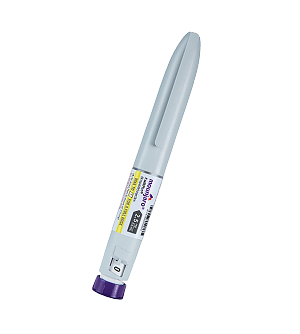
Similar to Wegovy. Effective weekly weight loss injection that helps suppress your appetite.

See treatment  
Tirzepatide
2.5mg, 5mg, 7.5mg, 10mg, 12.5mg, 15mg
Injection
Lilly
Prescription
Once weekly
Alli

Alli

Orlistat

A low dose version of Xenical. It reduces the amount of fat being absorbed by your body.

See treatment  
Orlistat
60mg
Tablet
GlaxoSmithKline
Pharmacy
Three times a day
Mysimba

Mysimba

Buproprion + Naltrexone

A clinically proven weight loss pill. It works on receptors in the brain that control appetite.

See treatment  
Naltrexone/Bupropion
8mg/90mg
Tablet
Orexigen
Prescription
Twice daily
Orlistat

Orlistat

Orlistat

Just like Xenical but without the branding. Can reduce fat absorption by up to 33%.

See treatment  
Orlistat
120mg
Tablet
Multiple
Prescription
Three times a day
Wegovy

Wegovy

Semaglutide

Easy, sustainable weight loss by weekly injection. Reduces your appetite and helps to balance your blood sugar.

See treatment  
Semaglutide
0.25mg, 0.5mg, 1mg, 1.7mg, 2.4mg
Injection
Novo Nordisk
Prescription
Once weekly
Xenical

Xenical

Orlistat

Branded version of Orlistat. It can help reduce how much fat is absorbed by the body.

See treatment  
Orlistat
120mg
Tablet
Neon
Prescription
Three times a day
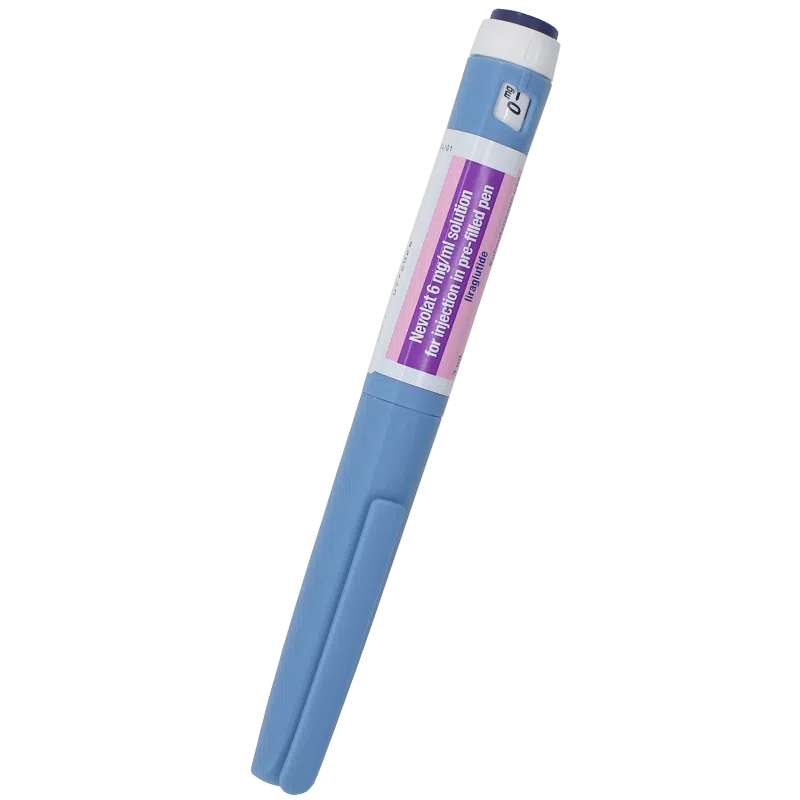
Nevolat

Nevolat

Liraglutide

Generic Saxenda that you inject once a day for effective weight loss. It works similarly to Wegovy and Ozempic.

See treatment  
Liraglutide
6mg/ml
Injection
Zentiva
Prescription
Once daily
  • Manufacturers subject to change.
  • Start and duration of effects are estimations.
  • For more detailed information on your medication, read the patient information leaflet.

Is weight loss treatment right for me?

playvideo
Reviewed on Jun 10, 2024. by Ms Sanjeda Chowdhury Superintendent Pharmacist + Independent Prescriber Registered with GPhC (No. 2202465) Next review due on Jun 10, 2027.
Sanjeda

Last updated on Jun 10, 2024.

How to choose a weight loss treatment

How much we weigh can impact various aspects of our lives. It can hold us back from taking part in certain activities, make us feel unhappy or even impact our mental health. That’s why taking the decision to lose weight is a pretty big one.

Weight loss treatments can be used as part of a healthy weight loss course. However, there are several to choose from and reading up on them may feel overwhelming, especially when you’re looking for weight loss treatments that actually work.

We’re here to help you get a better understanding of the weight loss medication options available, so you can make the best decision for you.

How do weight loss treatments work?

Weight loss treatments such as Xenical, Orlistat, and Alli work by effectively creating a barrier that stops fat from being absorbed into your intestines; this fat is passed naturally, which encourages weight loss in the process.

The active ingredients in Mysimba work differently and instead act on the brain. Bupropion works to reduce your appetite and Naltrexone helps to curb food cravings so that you don’t feel the urge to eat as often.

What do diet pills do?

When diet pills are used as part of a healthy diet and exercise programme they can have a positive effect on weight loss. However, it’s not just a case of popping a pill and carrying on regardless, the user will also have to follow a diet plan to help them achieve the best results with the least amount of side effects.

When you decide to embark on a weight loss journey supported by weight loss pills your clinician will outline details of a calorie-controlled diet and a regular exercise plan. Following these instructions will help you achieve your weight loss goals. It’s recommended you speak to your physician before taking part in a high-intensity exercise programme.

Do weight loss treatments work?

Licensed medicines like Mysimba and Orlistat have shown to be effective in aiding weight loss, as long as they’re used alongside a calorie controlled diet and exercise. However, how effective different weight loss medications are isn’t always directly comparable, because efficacy isn’t always measured in the same way.

Looking at the data available:

  • Clinical data for Alli found that an average of 46.7 percent of participants lost more than five percent of their weight, compared to 26.4 percent on the placebo, when taking it for six months.
  • For Orlistat, 37 percent of study participants lost at least five percent of their body weight, compared with 19 percent of those taking the placebo, when taking it for 12 weeks.
  • For Mysimba, 31 percent of participants observed a weight loss of five percent or greater, compared to the placebo group at 12 percent, when taking it for 56 weeks.
  • For Saxenda, 63.5 percent of study participants lost at least five percent of their body weight, compared to 26.6 percent in the placebo group, when taking it for 56 weeks.

Efficacy rates are a factor in what treatment you use, but they don’t necessarily decide which is best for you. One particular medicine might be better for you based on how much weight you aim to lose, or your medical history. So it’s always worth getting professional advice.

There is no magical weight loss treatment that works overnight, however, if you follow the advice offered by your prescriber, and are determined to stick to your diet and exercise plan, then there are treatments that work. There are some BMI boundaries that must be adhered to and, as previously mentioned, not all diet pills will work for everyone, but there are slimming pills that work in partnership with a diet and exercise programme to help you lose weight.

Xenical (Orlistat) - pros and cons

Clinical trials have found that following 56 weeks of treatment participants using orlistat were found to have an eight percent weight loss, versus four percent in the placebo group. However, the clinical trials also revealed that some people experience unpleasant side effects, such as fatty stools or flatulence. As Xenical is taken orally it may be favoured by users who aren’t keen on regular injections, like those used by Saxenda which have to be regularly injected and first demonstrated by a medical professional.

Alli - pros and cons

One of the advantages of Alli is that it is available without prescription, you will still need to speak to a pharmacist before they can provide you with the treatment, but the simpler access can be viewed as a benefit to some people. Clinical trials have proven that Alli is only marginally effective in comparison to various other weight loss treatments as it is given at a lower dose. Both Xenical and Orlistat are administered in larger doses and so are often more effective at reducing weight. Alli might be more suitable for those who wish to lose a smaller amount of weight. Clinical trials have also revealed that taking Alli can result in uncomfortable side effects such as uncontrollable bowel movements, oily discharge, and gas from the anus.

Liraglutide - pros and cons

Liraglutide helped trial participants consistently lose at least five to 10 percent of weight when compared to placebo. It also regulates your hunger and fullness, and stabilises your blood sugar. This can make you feel less cravings and give you better control over your eating habits. However, Liraglutide is a prescription injection treatment that requires an initial demonstration by a healthcare professional. Regular injections may be off-putting to some patients. The most common side effects included nausea, diarrhea, and vomiting.

Litramine/XLS-Medical - pros and cons

Litramine is perhaps viewed as a more gentle weight loss treatment as it can be ingested via tea, sachet, or tablet. Side effects from Litramine are mild if they occur at all. Litramine attaches itself to fat in the body and stops the fat being absorbed by the intestines. Clinical trials found it to absorb as much as 27% of dietary fats. Available without prescription.

Mounjaro - pros and cons

Mounjaro is a weekly weight loss injection that was originally intended to be a diabetes treatment. In the UK, it can be used for weight loss if your BMI is over 30, or if it’s over 27 and you have a weight-related condition like diabetes.

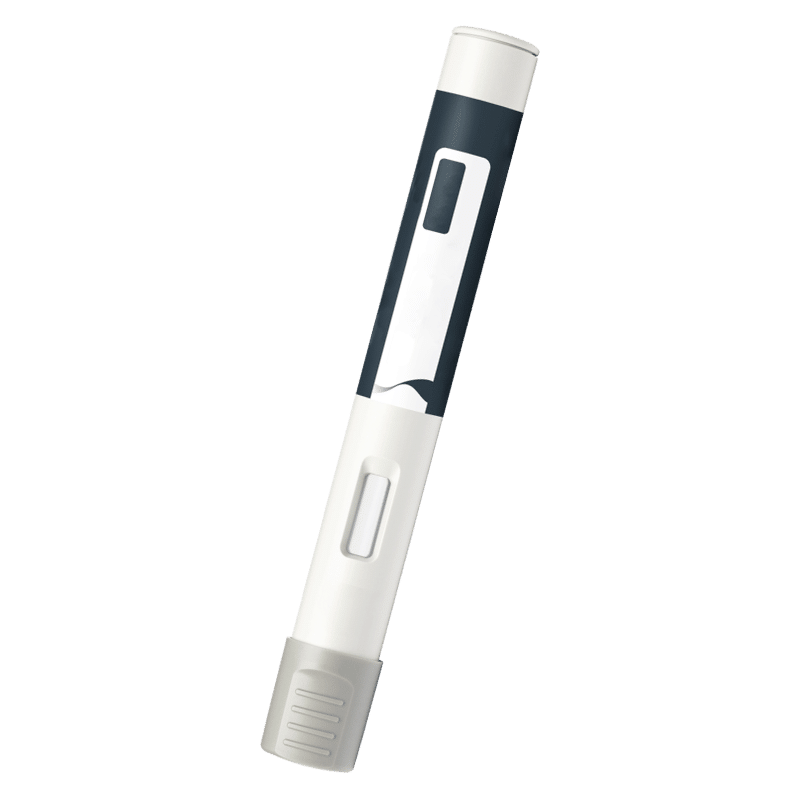
It's a pen treatment that comes pre-filled. It contains tirzepatide, a GLP-1 agonist. GLP-1 is a hormone made by your body, which plays a role in controlling your appetite. GLP-1 agonists work by mimicking the effects of this hormone, and help you feel full.

Like other weight loss treatments, the pens are used alongside regular exercise and healthy eating. In trials that compared Mounjaro with a placebo, it was shown to help between 89-91% of patients lose more than 5% of their weight.

Mounjaro can sometimes cause nausea, which might put some people off using it. The side effects should usually settle as you get used to using it, though.

Wegovy - pros and cons

Wegovy also boasts the appeal of being a once weekly injection for weight loss. Although, the idea of self administering an injection can put some people off. The clinical trial results for Wegovy show that people lose more weight using semaglutide than when using liraglutide. Most side effects associated with Wegovy are gastrointestinal in nature, although headaches, tiredness and dizziness were also recorded. In most cases the side effects settled down quickly and didn’t stop patients from continuing with their treatment.

Mysimba - pros and cons

Mysimba will usually make you eat less food, which can cut out overeating habits and reduce your appetite. It’s also very effective. In a trial involving 1742 people, the Mysimba group lost 6.1% of their body fat, compared with 1.3% of the placebo group. There is, however, a higher risk of side effects than there is with some other weight loss treatments, and you’ll need a prescription for it before you can buy and take it.

Are there any weight loss treatments that work fast without exercise?

We’re afraid not. There are no magical solutions to losing weight. Weight loss medication can be used alongside a balanced diet and healthy exercise routine to help boost your weight loss goals. Adopting regular exercise into your routine should be viewed as an added positive, as it will help you with your weight loss journey but also provide other health benefits too. Exercise not only helps your physical health but your mental health too.

What is the best prescription weight loss treatment on the market?

The best prescription weight loss treatment for you is the one that fits with your lifestyle and your goals. Important aspects you need to take into consideration are side effects, administration and prescription. What is a good option for one person may be different to another person.

A medication that works and doesn’t cause uncomfortable side effects that allows you to enjoy a healthy lifestyle alongside it is a good prescription weight loss treatment.

What are the best over-the-counter weight loss treatments?

Alli and XLS are weight loss treatments that are available without prescription in the UK.

It’s always recommended you speak to a professional before commencing a weight loss programme of any kind or starting any medication, though, so you know which is the best option for you. 

Alli is a low dose version of Xenical, and can be taken if you’re over 18 and have a BMI above 28. XLS is a naturally- based weight loss tablet, has mild side effects, and can absorb as much as 27% of your dietary fat. Like most weight loss treatments, XLS is intended to be taken alongside a healthy diet and regular exercise.

How to safely use weight loss medication

Choosing to start a weight loss journey may seem daunting at first. Having all the information you need can make all the difference. Read more about weight loss medication and make sure you’re on the right path from start to finish so that you can safely achieve your goals.
Reference Popover #ref1
Reference Popover #ref2
Reference Popover #ref3
Reference Popover #ref4
Reference Popover #ref5
Reference Popover #ref6
Reference Popover #ref7
Reference Popover #ref8
Reference Popover #ref9
Reference Popover #ref10
Reference Popover #ref11
Reference Popover #ref12
Reference Popover #ref13
Reference Popover #ref14
Reference Popover #ref15
Reference Popover #ref16
This page was medically reviewed by Ms Sanjeda Chowdhury, Superintendent Pharmacist + Independent Prescriber on Jun 10, 2024. Next review due on Jun 10, 2027.

Last updated on Jun 10, 2024.

How we source info.

When we present you with stats, data, opinion or a consensus, we’ll tell you where this came from. And we’ll only present data as clinically reliable if it’s come from a reputable source, such as a state or government-funded health body, a peer-reviewed medical journal, or a recognised analytics or data body. Read more in our editorial policy.

Choose how you do healthcare.

We know health, but you know you.
Our experts tell you what’s safe, but you decide what’s best.

Consult on your own time

Answer a few questions and tell us about yourself. Get tailored advice from our clinicians so you can choose better.

Treatments to fit your life

Choose your treatment and how often you have it delivered.

Your health,
continued

We know things change. It’s the nature of life. We’ll check in regularly to make sure your treatment is still right for you.

Control at your fingertips

Pause. Change. Skip. Start again. Any time you like.

Here's how we're doing so far.

Give us the inbox treatment.

We're making healthcare more about you. Sign up to our newsletter for personalised health articles that make a difference.

Disclaimer: The information provided on this page is not a substitute for professional medical advice, diagnosis, or treatment. If you have any questions or concerns about your health, please talk to a doctor.