Go to
Reviewed on Oct 25, 2024. by Mr Craig Marsh Independent Prescriber Registered with GPhC (No. 2070724) Next review due on Oct 25, 2027.
Craig

Last updated on Jul 03, 2024.

Common side effects

There are some common Saxenda side effects that are ‘normal’ to experience when you first start your treatment (or as you increase your dosage).

Nausea is the most common side effect, with clinical studies revealing that 40% of people that used Saxenda experienced it. The nausea associated with Saxenda can be unpleasant, but it’s usually only temporary, and tends to fade after a few days to a couple of weeks of starting a new dose.

Some people also report sleep issues when they first start Saxenda. But as your body gets used to your treatment, your sleep should return to normal. Disturbed sleep caused by Saxenda doesn’t usually last longer than three months.

It’s also really important to make sure you stay hydrated when you’re using Saxenda. You can end up dehydrated from nausea, vomiting, and diarrhoea when you first start using the injections – so drink plenty of fluids to make sure you keep hydrated.

Other common side effects of Saxenda include:

  • Indigestion, heartburn
  • Bloating, wind
  • Discomfort or inflammation in the stomach
  • Weakness or fatigue
  • Changes to your sense of taste
  • Dizziness
  • Gallstones
  • Rash
  • Bruising, pain, irritation, itching, or inflammation of the injection site
  • Low blood sugar levels
  • Increase in enzymes made by your pancreas (like lipase and amylase)

There are also some side effects that might appear to be linked to Saxenda, but that aren’t directly caused by it – like hair loss. Saxenda wasn’t reported to cause hair loss in any clinical trials, but the weight loss associated with it could be a trigger for people to shed hair.

Losing a lot of weight quickly can cause imbalances in hormone levels, as well as nutrient deficiencies (like zinc, iron, and folic acid). These changes in your body can cause your hair to thin, but as your weight stabilises, any hair loss you experience should stabilise too (and eventually regrow).

But this isn’t a comprehensive list of Saxenda side effects – just the more common ones. Less common side effects of Saxenda can include feelings of depression or anxiety, an increased heart rate, kidney issues, thyroid problems, or inflammation of the gallbladder – among other things. Speak to your clinician if you have any questions or concerns about Saxenda side effects, or drop us a message from your account.

How soon do Saxenda side effects start?

You’ll likely notice any side effects within a couple of days of starting treatment or increasing your dosage. Side effects like nausea, vomiting, diarrhoea, heartburn and constipation typically occur within the first few days or couple of weeks of a new dose of Saxenda. Luckily, they also tend to resolve within a few days or weeks, too – but if you have any side effects that don’t improve after a couple of weeks you should speak to your clinician. They’ll be able to help you find a solution to any adverse effects on Saxenda.

You might also notice tenderness, redness, or mild swelling at the site of injection soon after using your pen. This is usually normal and isn’t cause for concern – and it’ll typically get better by itself.

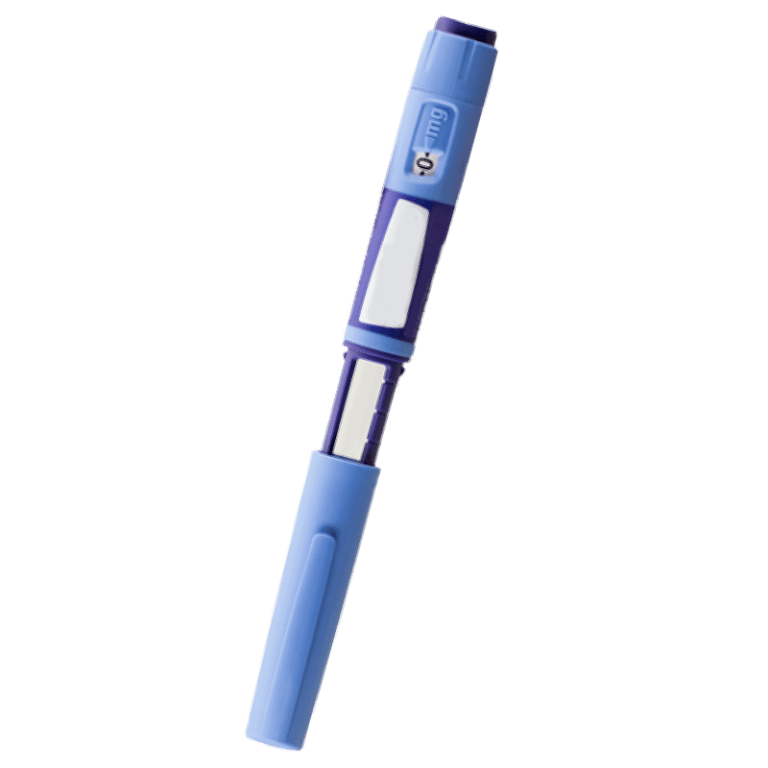
Make sure your injection site is clean and you’re injecting your pen at a 90-degree angle to your skin to lower the chances of injection site reactions – and change your injection site regularly so you’re not repeatedly injecting the same place.

Are there any serious side effects from taking Saxenda?

There are some rarer, more serious, negative side effects than the ones we’ve discussed so far. When using Saxenda, serious side effects like those following are really important to be aware of – so you can recognise them if they occur, and get the help you need:

  • There’s a small chance you can experience a severe allergic reaction when using Saxenda, so if you notice any breathing problems, swelling of your face or in your throat, or a fast heartbeat – get medical advice immediately.
  • There have also been reports of pancreatitis in those using Saxenda (especially in the case of an overdose), but there still aren’t many studies investigating the link between Saxenda and pancreatitis. If you experience severe abdominal pain (which can spread to your back), nausea, and vomiting – seek medical advice right away.
  • Liraglutide, the active ingredient in Saxenda, has also caused thyroid tumours in rats and mice during animal testing – but there’s currently no evidence that it has a similar effect in humans. But just to be safe – if you have any thyroid issues, or a family history of thyroid disease, speak with your doctor before using Saxenda. Saxenda might not be suitable for you, but they may be able to help with alternative weight loss options.

Is Saxenda safe?

Saxenda is safe and generally well tolerated, even at the highest dose of 3.0 mg. In a real-world clinical evaluation of 50 patients, only 10% stopped their treatment due to side effects. While Saxenda isn’t normally dangerous, there are some circumstances in which you shouldn’t use it.

You shouldn’t use Saxenda if you’re trying for a baby, you’re pregnant, or if you’re breastfeeding. We don’t know if Saxenda is safe when pregnant (or if Saxenda is safe when breastfeeding) because it’s unclear how it might affect your baby (or breast milk).

There aren’t any specific side effects of having alcohol while using Saxenda, but it’s best to drink in moderation and exercise caution while you’re taking it. This is because consuming alcohol can make some Saxenda side effects (like nausea, dizziness, and dehydration) worse.

Saxenda is safe for diabetics – in fact it can be prescribed to help with weight loss if you’re overweight and have a weight-related condition like diabetes. But it’s important to note that the injections shouldn’t be used as a replacement for insulin – you’ll still need to use your normal diabetes medication alongside Saxenda. If you’re using any diabetes medication, especially those known as a sulfonylureas (like glimepiride or glibenclamide), make sure to tell your clinician before starting Saxenda. This is because using Saxenda alongside a sulfonylurea can cause low blood sugar levels, so your doctor might need to change your dosage of diabetes medicine to compensate. It’s also recommended that you check your blood sugar levels more regularly, as an added precaution.

How can I avoid the side effects of Saxenda?

While not everyone will get Saxenda side effects (and they usually fade over time) they can be unpleasant to deal with. But there are some things you can do to reduce Saxenda side effects.

If you feel sick after taking your dose, try sticking to bland foods with a low fat content (toast, rice, etc.), avoid lying down after eating, and get out for some fresh air to reduce feelings of nausea. You can also try keeping a diary of what you eat to help you remember which foods trigger Saxenda side effects. Eating smaller portions more frequently can also help, and meals with high water content (such as soups or broths, fruits like watermelon and strawberries, or veggies like cucumber and lettuce) are also great options.

But you can’t always avoid Saxenda side effects. If you’re struggling with adverse effects from Saxenda, you might benefit from over the counter medicine. Anti-nausea medication, antacids, and laxatives can help relieve adverse gastrointestinal effects.

Are there any side effects when stopping Saxenda?

While Saxenda isn’t an addictive medication, you might notice some effects if you stop taking it. Some people can regain the weight they’ve lost after stopping treatment, but studies suggest that the majority of people manage to maintain their weight loss after Saxenda.

A study of 17,733 people using liraglutide who all managed to lose at least five pounds revealed that only 18.7% of individuals regained all or more of the weight they lost after one year of stopping Saxenda. 55.7% of people taking part in the study either maintained the weight they were at when they stopped using Saxenda, or continued to lose more weight.

You might also notice more gastrointestinal side effects when you stop using Saxenda, as your body adjusts to you coming off treatment. Slowly reducing your dose rather than quitting cold turkey can ease the impact of this transition – and some people won’t notice any side effects at all. Speak to your clinician if you’re thinking of stopping Saxenda, and they’ll be able to help you plan the end of your treatment to reduce any possible symptoms.

Reference Popover #ref1
Reference Popover #ref2
Reference Popover #ref3
Reference Popover #ref4
Reference Popover #ref5

How we source info.

When we present you with stats, data, opinion or a consensus, we’ll tell you where this came from. And we’ll only present data as clinically reliable if it’s come from a reputable source, such as a state or government-funded health body, a peer-reviewed medical journal, or a recognised analytics or data body. Read more in our editorial policy.

This page was medically reviewed by Mr Craig Marsh, Independent Prescriber on Oct 25, 2024. Next review due on Oct 25, 2027.

Last updated on Jul 03, 2024.

Let’s help you choose better.