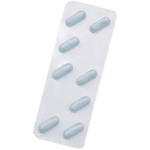
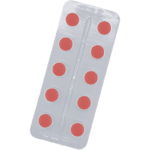
What is Lariam?
Lariam tablets are used to prevent malaria, and contain the active ingredient mefloquine. They’re usually recommended to people travelling to certain locations in South America, central and sub-saharan Africa that are considered high risk.
Lariam isn’t normally prescribed for travel to low or moderate-risk countries, but it could be advised if other antimalarial medicines – like Malarone or Doxycycline – aren’t suitable for you. Lariam is also recommended if you’re travelling to an area where there’s malaria that’s difficult to treat.
Lariam is taken before, during and after you travel to a high-risk area. It’s taken once a week, starting ten days before departure. You’ll then continue to take it once a week, on the same day, for the duration of your trip, and every week for another four weeks after you leave.
Like all medicines, Lariam can cause side effects. There’s a slightly higher chance of feeling side effects from Lariam compared to Malarone, so it’s usually only prescribed if Malarone isn’t suitable for you.
How does Lariam work?
In 2023 there were an estimated 263 million cases of malaria worldwide [1]. Malaria is a life-threatening disease caused by the Plasmodium parasite, which is carried by mosquitoes. Malaria is passed to humans when a mosquito carrying the parasite bites and breaks the skin.
Symptoms of malaria include fever, vomiting and headaches. Symptoms usually appear between 7 to 18 days after you’re infected with malaria, but in some cases it can take up to a year for you to notice them.
Mefloquine, the active ingredient in Lariam, kills the Plasmodium parasites in the body. Its mode of action is not fully known but it’s thought to disrupt the parasite’s protein-making machinery called a ribosome (more specifically a part of it called the 80S ribosome).[1].
What doses of Lariam are there?
Lariam comes in a single dosage: 250mg. This dose is suitable for adults and children weighing over 45kg.
One tablet is taken per week, starting ten days before you depart for a high risk area. Then one tablet is taken for each week that you’re in the high risk area. After you’ve left the high-risk area, you’ll take a tablet a week for a further four weeks.
It’s possible for small children to take Lariam, but the dose will need to be altered (depending on the child’s weight).
How we source info.
When we present you with stats, data, opinion or a consensus, we’ll tell you where this came from. And we’ll only present data as clinically reliable if it’s come from a reputable source, such as a state or government-funded health body, a peer-reviewed medical journal, or a recognised analytics or data body. Read more in our editorial policy.