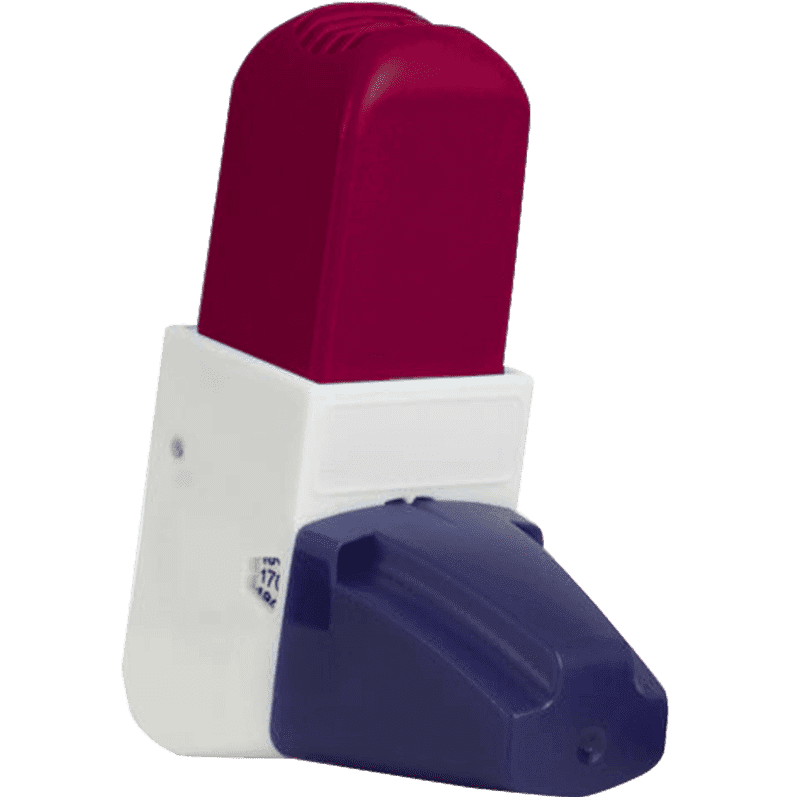

Compare all asthma treatments

The list of available asthma inhalers is a long and potentially confusing one. What’s considered the best asthma inhaler for one person won’t necessarily suit the needs of another, so choosing the right one is usually about your personal needs. The different active ingredients, the alternative methods of application and potential side effects can all play a part in finding a treatment that suits you.

We’re here to help you get a better understanding of the various different asthma treatments out there and how they work.

Active ingredient
Available doses
Form
Made/marketed by
Pharmacy status
Type
Used/taken
Works in
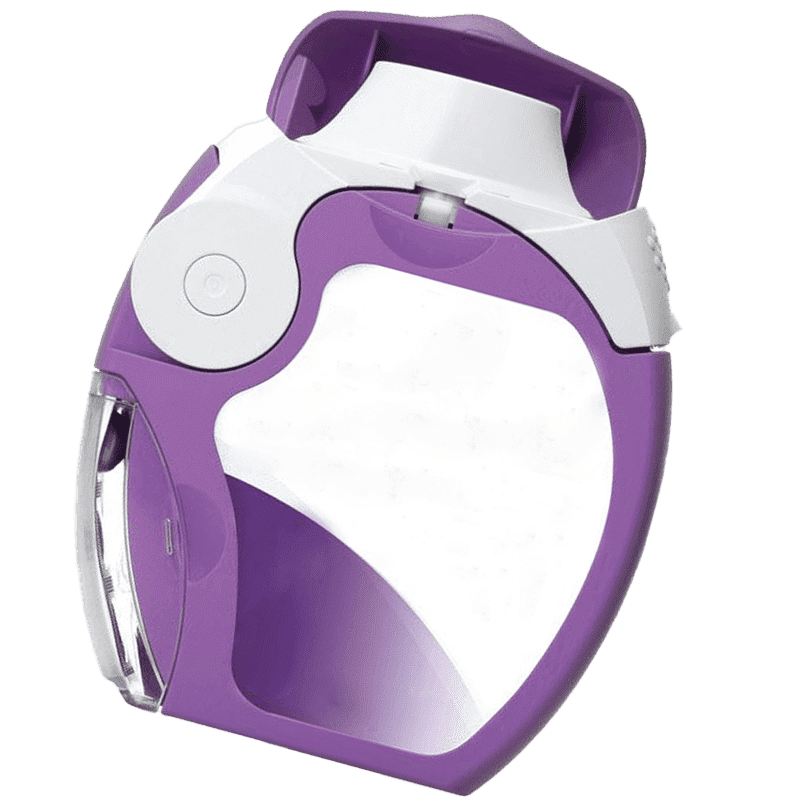
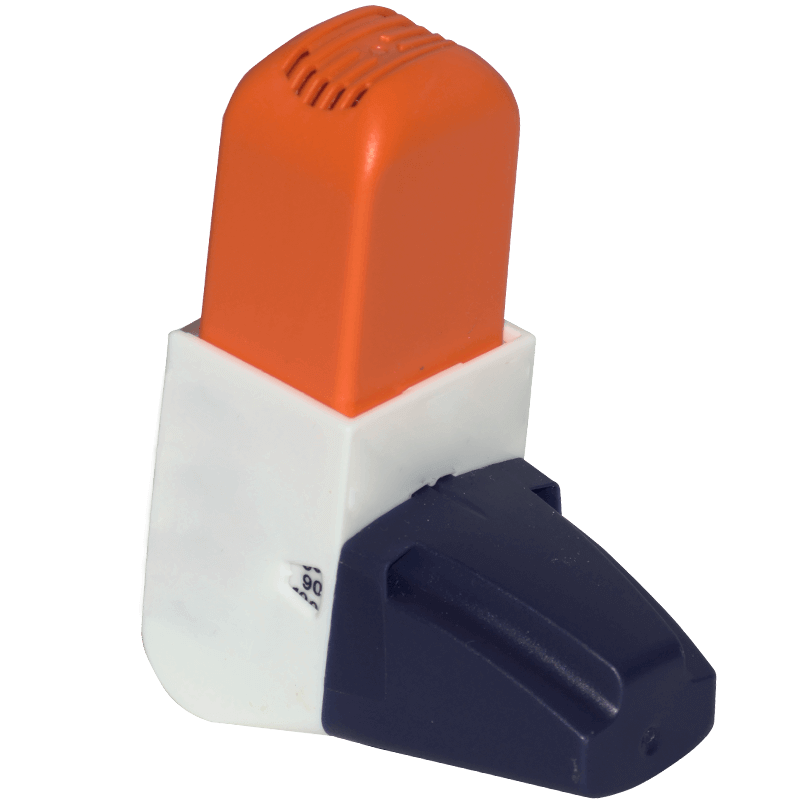
AirFluSal

AirFluSal

Fluticasone propionate, salmeterol xinafoate

A combination inhaler to keep your asthma in check.

See treatment  
Fluticasone propionate, salmeterol xinafoate
25 mcg dose / 125mcgs 120d CFC free PMDI; 25 mcg dose / 250mcgs 120d CFC free PMDI; 50 mcg dose / 500mcgs 60d DPI
Inhaler
Preventer
Twice a day
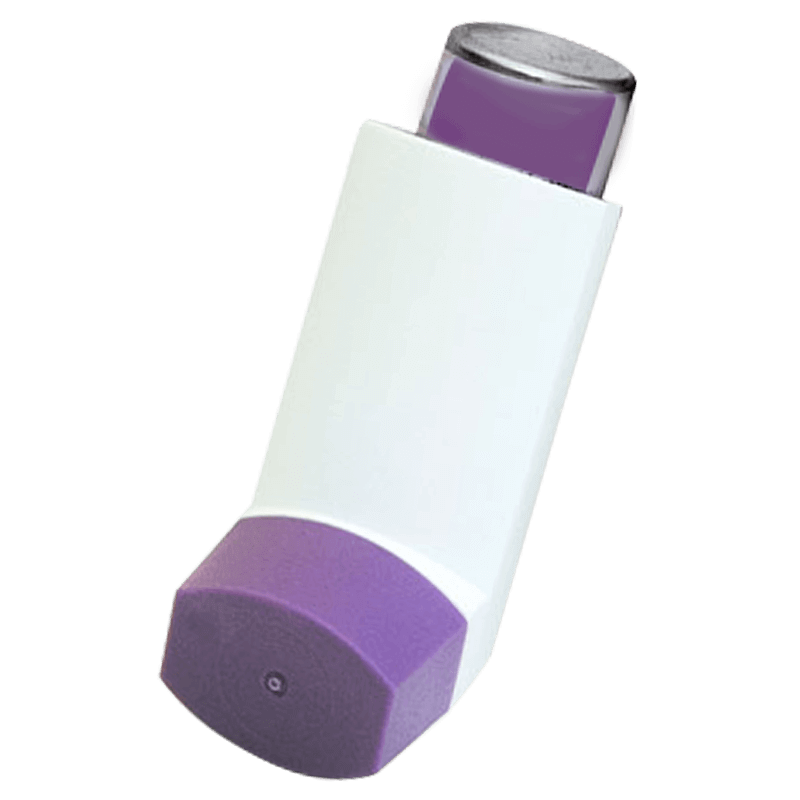
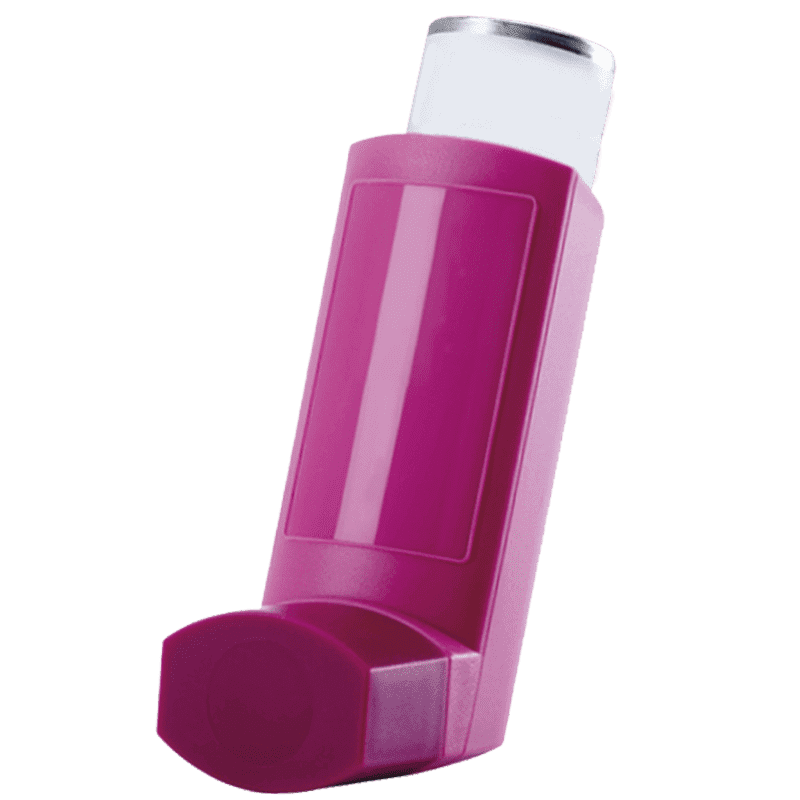
Clenil Modulite

Clenil Modulite

Beclometasone dipropionate

A daily preventer inhaler that controls asthma symptoms. Available in 3 different strengths.

See treatment  
Beclometasone dipropionate
100mcg/puff 200 Dose; 200mcg/puff 200 Dose; 250mcg/puff 200 Dose
Inhaler
Preventer
1 or 2 puffs, twice a day
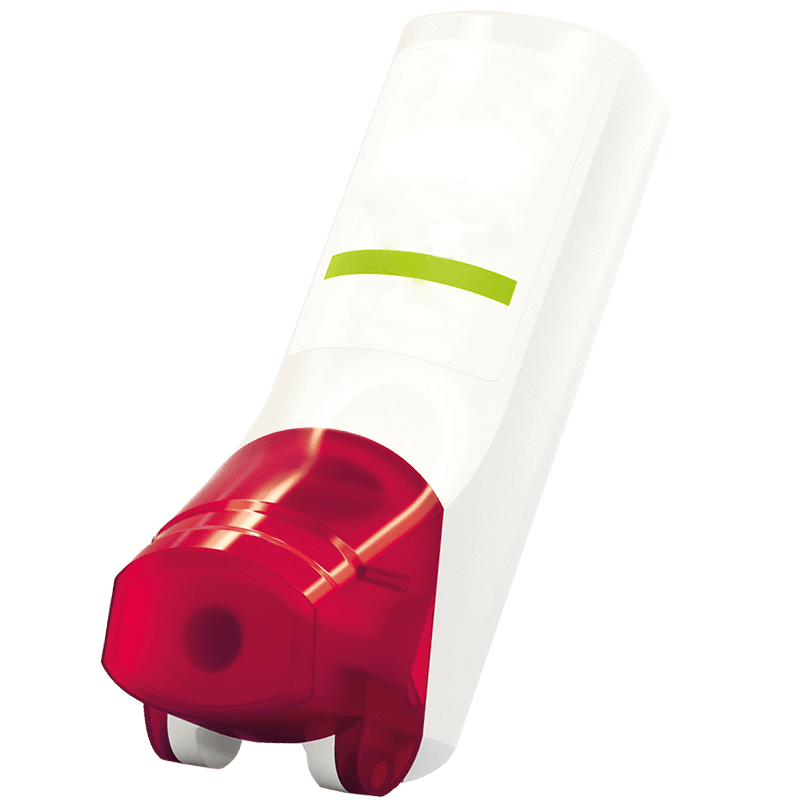
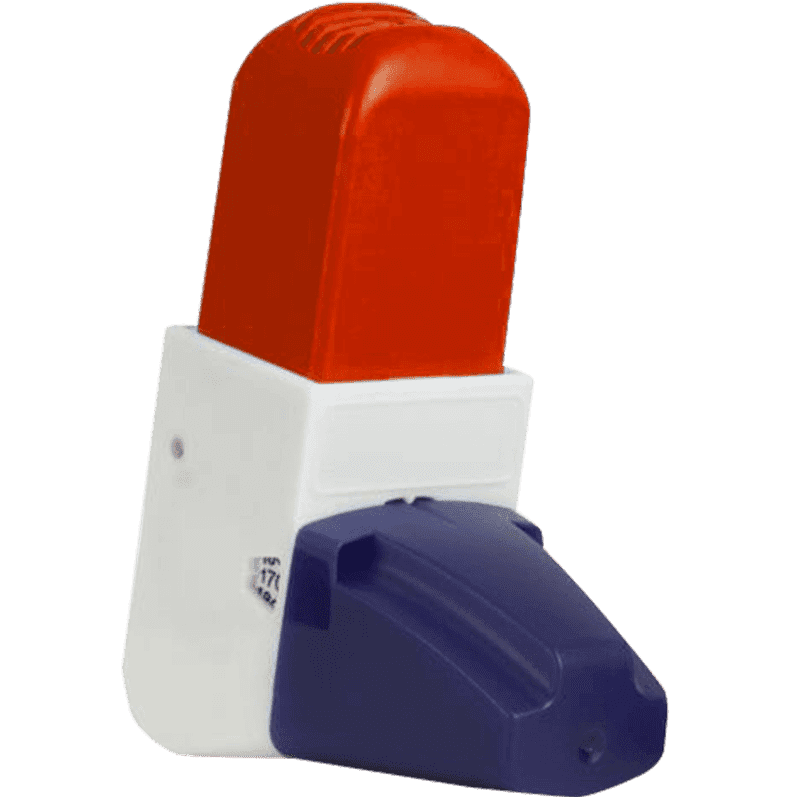
Combisal

Combisal

salmeterol xinafoate, fluticasone propionate

A combination asthma inhaler that keeps your airways open and reduces irritation.

See treatment  
Salmeterol xinafoate, fluticasone propionate
25mcg/50mcg; 25mcg/125mcg; 25mcg/250mcg
Inhaler
Preventer
1 or 2 puffs, twice a day
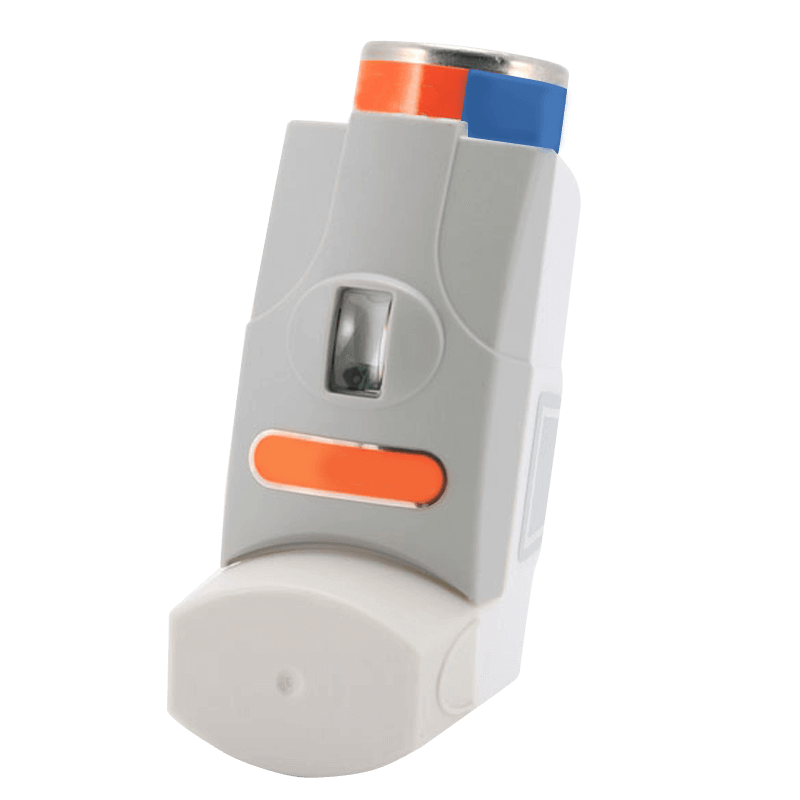
DuoResp Spiromax

DuoResp Spiromax

Budesonide + Formoterol

Keep your asthma or COPD under control with combined long-term relief and prevention.

See treatment  
Budesonide + Formoterol
160mcg/4.5mcg; 320mcg/9mcg
Inhaler
Preventer and reliever
For prevention: 1-2 inhalations, twice a day. For symptom relief: As needed (no more than 12 inhalations a day)
Easyhaler Budesonide

Easyhaler Budesonide

Budesonide

A shake-and-click preventer inhaler for easy asthma management.

See treatment  
Budesonide
100mcg; 200mcg; 400mcg
Inhaler
Preventer
1-2 puffs, once or twice a day
Flutiform inhaler

Flutiform inhaler

fluticasone propionate, formoterol fumarate dihydrate

A preventer inhaler for severe asthma to help you breathe easier and reduce inflammation.

See treatment  
Fluticasone propionate, formoterol fumarate dihydrate
50mcg/5mcg; 125mcg/5mcg; 250mcg/10mcg
Inhaler
Preventer
2 inhalations, twice a day
Fobumix Easyhaler

Fobumix Easyhaler

Budesonide + Formoterol

Asthma and COPD prevention and relief in a dry powder inhaler.

See treatment  
Budesonide + Formoterol
160mcg/4.5mcg DPI; 320mcg/9mcg DPI; 80mcg/4.5mcg DPI
Inhaler
Preventer and reliever
1-2 inhalations, twice a day
Fostair

Fostair

Beclometasone + Formoterol

A combination inhaler for asthma maintenance. Sometimes used as a reliever.

See treatment  
Beclometasone + Formoterol
100mcg/6mcg; 200mcg/6mcg
Inhaler
Preventer and reliever
1-2 puffs, twice a day
Fusacomb Easyhaler

Fusacomb Easyhaler

Fluticasone + Salmeterol

Daily combination inhaler for asthma and COPD that works for up to 12 hours.

See treatment  
Fluticasone + Salmeterol
50mcg/500mcg; 50mcg/250mcg
Inhaler
Preventer
1-2 inhalations, twice a day
Kelhale

Kelhale

Beclometasone

Prevent symptoms and keep your asthma under control.

See treatment  
Beclometasone
50mcg; 100mcg
Inhaler
Preventer
1-2 puffs, twice a day
  • Manufacturers subject to change.
  • Start and duration of effects are estimations.
  • For more detailed information on your medication, read the patient information leaflet.
Go to
Reviewed on Jun 3, 2025. by Dr Daniel Atkinson GP Clinical Lead Registered with GMC (No. 4624794) Next review due on Jun 3, 2028.
Daniel

Last updated on Jun 02, 2025.

How to choose your asthma inhaler

Before you choose an inhaler, there are certain factors that need to be taken into account for your specific needs. These can include your symptoms and their severity, your lifestyle and any other health issues you have, whether related to asthma or not.

It’s also important to note that guidance indicates that you should ideally be managing your condition with AIR or MART therapy as the first choice. AIR or ‘Anti-inflammatory reliever’ is a single combination inhaler (formoterol and a corticosteroid) which is used as needed. Whereas MART or ‘Maintenance and reliever therapy’ involves regular, daily use as well as in response to symptoms.

You need to be able to effectively use your inhaler so that the medication can reach your airways and lungs. If you struggle using your inhaler then there’s more chance of you not receiving the right dose of the active ingredient which can lead to poorly managed asthma.

Therefore choosing an asthma inhaler is more about which one suits you the best in terms of how you administer it and whether it prevents or relieves asthma symptoms.

Relievers and preventers: what’s the difference?

Relievers and preventers used to be the main two types of inhalers. Relievers are used to treat asthma symptoms as and when they present. Preventers are used to keep asthma symptoms at bay and therefore prevent asthma attacks from occurring. They can also be called maintenance inhalers.

Reliever inhalers are usually blue and contain fast-acting active ingredients. Preventer inhalers are usually brown or purple and contain one or two ingredients that stop symptoms, or at least severe symptoms, from presenting.

It’s important to understand that the colours of the inhalers are not meant to act as an accurate guide. Some products differ from these colour codes, so be sure to read the product’s packaging or speak with your prescribing clinician.

There are also combination inhalers that work to prevent symptoms, as well as treat them quickly when they do occur. So you can use them daily for prevention and when your symptoms flare up. According to the latest NICE guidelines, a combination inhaler is now likely to be prescribed as the first-line treatment, replacing the need for separate blue (reliever) and brown (preventer) inhalers. You can compare the AIR / MART inhalers in the table above.

However, if you’re still using a reliever or preventer inhaler you can see which group the different treatments fall into here:

Is my inhaler a reliever or a preventer?
Type Inhaler name
Reliever Airomir · Bricanyl · Easyhaler Salbutamol · Salamol · Ventolin
Preventer Clenil Modulite · Easyhaler Budesonide · Flixotide · Kelhale · Montelukast · Pulmicort · Qvar Easi-breathe · Serevent · Singulair · Soltel · Soprobec · Trimbow

Asthma is usually diagnosed at a GP appointment with a doctor, or a specialist asthma nurse. If you’ve got symptoms like wheezing or a tight chest, it’s worth making an appointment to see if asthma is the cause. The doctor or nurse will perform a series of tests, such as a spirometry, which involves blowing into a machine, or peak flow measurements. This involves blowing into a handheld device and recording the speed of your exhalations. FeNO tests, which measure lung inflammation, might also be used.

Once you’ve touched base with your GP about asthma, you might be asked to keep a diary to see how often you get symptoms, and anything you think might make them worse. This can help determine the types of inhalers you’ll be recommended.

Accuhaler vs evohaler: what you need to know

As well as different colours, asthma inhalers come in various shapes and styles. Two commonly prescribed types of inhalers are evohalers and accuhalers. These terms refer to how the medication is administered or released into the airways.

Evohalers are devices that are the standard inhalers you might recognise, those that require you to time your breathing so that you inhale the medication fully. They can be either preventers or relievers. If you’ve seen someone using a blue reliever inhaler before or after exercising, chances are it was an evohaler. They’re sometimes called pressurised metered dose inhalers, or pMDIs. You activate each dose or ‘puff’ by pressing down on a pressurised canister and breathing in the medication in one motion.

Accuhalers instead use a dried powder that is propelled into the airways without the need to ‘actuate’ it with your breath. These are also known as DPIs (dry powder inhalers). You don’t need to press anything to release each dose when using these. Many people find accuhalers easier to use as a result, although pMDIs are the most commonly used inhalers.

Ultimately, the type of inhaler you use is up to you, and is often a case of personal preference. Whichever type you choose, it’s important to know how to use your inhaler correctly so your treatment is as effective as it can be.

When is a combi inhaler a good option?

Combination inhalers are the first line of treatment for newly diagnosed asthma patients over 12.

Combined inhalers are used daily to prevent your symptoms from flaring up.They can also be used as-needed (AIR therapy), meaning when you have symptoms. This is called maintenance and reliever therapy (MART). This involves using your inhaler every day (maintenance) and also when you get asthma symptoms (reliever).

When used daily, the treatment should be taken at the same time, even if you’re not experiencing any symptoms. 

Who should use asthma tablets?

There are various reasons why tablets might suit you better than inhalers when it comes to managing your asthma. It could be that you have struggled to tolerate inhalers, as they can cause issues with sore throats and other irritations. Or it might just be that you find remembering to take tablets easier than using an inhaler regularly.

On the other hand, because tablets are digested, it can lead to side effects like nausea and vomiting. This is one of the reasons they’re not routinely offered as a first-line asthma treatment.

You might be prescribed tablets alongside inhalers if your asthma is severe or if inhalers are not proving fully effective in treating the condition.

Salbutamol vs Ventolin

The only real difference between Ventolin and Salbutamol is packaging. Salbutamol is the active ingredient in Ventolin. There are other branded inhalers that also contain salbutamol. There might be some differences in the device that administers the medication, but the medication itself is the same.

Studies have also shown that other brands of salbutamol are just as effective as each other. One study that compared Salamol vs Ventolin showed no difference in the medications effects, but it’s possible that some of the non-active ingredients, some of which may differ, might cause some issues .

Bricanyl Turbuhaler vs Ventolin

Bricanyl and Ventolin are bronchodilators.They work in a similar way, but contain different drugs.

Bronchodilators relax the muscles in your lungs and help your airways widen. There are two types that are prescribed for asthma — short acting, which are used to control sudden bouts of breathlessness, and long-acting, which are used regularly. Long-acting bronchodilators are used alongside corticosteroids, and make them more effective.

Bricanyl and Ventolin are both short-acting beta agonists, which means they get to work quickly to tackle the symptoms of asthma. They’re used as reliever inhalers.

In one study that compared the two for the treatment of exercise-induced asthma in boys aged between seven and fourteen, both medications were found to be effective.

Brincanyl is a dry powder inhaler, so you might find it easier to use than Ventolin (which is a standard pressurised inhaler). If you’re not sure which type of reliever to use, you can talk to a clinician about the different types that are available. If you choose one type of inhaler and you find it’s not working out, you can easily switch to another. What works for some people might not feel right for others, so it’s a case of finding an inhaler you’re most comfortable with.

Will I get side effects from asthma inhalers?

You might get some side effects from using your inhaler often, although this is usually more the case with steroid inhalers. You might find you get a sore throat, a cough, or even oral thrush after using your inhaler, which is why it’s important to rinse your mouth out every time you use it.

Bronchodilators can sometimes cause side effects like trembling in the hands, and headaches. Not everyone will get them though, and because people respond differently to medications, you might find you don’t get any side effects at all.

If the side effects you get ever put you off using your inhaler when you need to, let a clinician know and they’ll help you find something better suited to you.

What to do if you want to change inhaler

Customer-SatisfactionAsthma is a serious condition that can affect people in different ways. Keeping on top of symptoms and avoiding asthma attacks is the overall aim so that you can get on with the important things in life. This can mean that getting the right dosage and type of treatment may require a little patience.
If you feel that your asthma could be better managed as you’re not getting the effects you need from your inhaler, speak with a clinician. They'll be able to help you find the best solution for your specific needs, whether it be changing the dosage, inhaler or type of medication.

Reference Popover #ref1
Reference Popover #ref2
Reference Popover #ref3
Reference Popover #ref4
Reference Popover #ref5
Reference Popover #ref6
Reference Popover #ref7

How we source info.

When we present you with stats, data, opinion or a consensus, we’ll tell you where this came from. And we’ll only present data as clinically reliable if it’s come from a reputable source, such as a state or government-funded health body, a peer-reviewed medical journal, or a recognised analytics or data body. Read more in our editorial policy.

Choose how you do healthcare.

We know health, but you know you.
Our experts tell you what’s safe, but you decide what’s best.

Consult on your own time

Answer a few questions and tell us about yourself. Get tailored advice from our clinicians so you can choose better.

Treatments to fit your life

Choose your treatment and how often you have it delivered.

Your health,
continued

We know things change. It’s the nature of life. We’ll check in regularly to make sure your treatment is still right for you.

Control at your fingertips

Pause. Change. Skip. Start again. Any time you like.

Here's how we're doing so far.

Give us the inbox treatment.

We're making healthcare more about you. Sign up to our newsletter for personalised health articles that make a difference.

Disclaimer: The information provided on this page is not a substitute for professional medical advice, diagnosis, or treatment. If you have any questions or concerns about your health, please talk to a doctor.