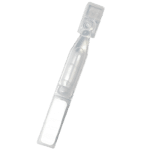
What are Oftaquix Eye Drops?
The active ingredient in Oftaquix eye drops is levofloxacin, which belongs to a class of antibiotics known as fluoroquinolones (sometimes just called quinolones). They work by destroying bacteria that grows on your eyes and causes infections.
Not all eye infections are bacterial. Some are viral, and can clear up without the need for treatment. A common type of eye infection is conjunctivitis, which can be either viral or bacterial. Common symptoms include redness, soreness and itching.
Most infections share these symptoms, but bacterial conjunctivitis can present them in a more severe way. Eye watering can be more persistent than it is during milder infections, and discharge from the eyes can be thicker. Sometimes, a crust can form around your eyelids overnight, making them difficult to open the following morning.
Oftaquix works by targeting bacteria and fighting your infection.
How do Oftaquix Eye Drops work?
Quinolones were first introduced in 1962 and were discovered when alterations were made to antimalarial drugs. They were modified again in the 1980s to become fluoroquinolones (by adding a fluorine molecule).[1]
They are now used worldwide to treat pneumonia, urinary tract and gonococcal infections.[2]
Fluoroquinolones have an antimicrobial effect. Levofloxacin inhibits bacterial type II topoisomerases — DNA gyrase and topoisomerase IV. These topoisomerases are enzymes that are needed for bacterial DNA replication, so inhibiting them means the bacteria responsible for your eye infection can’t survive.
Oftaquix drops are applied directly to your eye, and can destroy bacteria to clear your infection. They can be used every two hours, and should clear conjunctivitis within five days.
What doses does Oftaquix come in?
A bottle of Oftaquix contains 5mg of levofloxacin per milliliter. It is applied as drops directly to the outer surface of your eye.
The usual doses are as follows:
Days 1-2
One or two drops in the eye that requires treatment, every 2 hours. You can only apply the drops a maximum of eight times a day.
Days 3-5
One or two drops in the affected eye, every 2 hours. For days three to five, you can only use the drops four times a day.
You might find it helpful to get someone else to apply the drops for you. This reduces the risk of your eye coming into direct contact with your hands, or the bottle as you dispense the drops.
Treatment shouldn’t last any longer than five days. If your infection shows no sign of clearing at this point, get in touch with a clinician about the next best steps to take.
How we source info.
When we present you with stats, data, opinion or a consensus, we’ll tell you where this came from. And we’ll only present data as clinically reliable if it’s come from a reputable source, such as a state or government-funded health body, a peer-reviewed medical journal, or a recognised analytics or data body. Read more in our editorial policy.