





















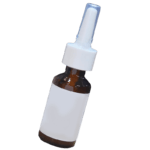


Hay fever can easily be diagnosed by a healthcare professional. They’ll ask you some questions about your health and symptoms, and once they have a clear picture of everything you’re feeling they’ll be able to state whether or not you’re suffering from hay fever. If your symptoms only develop during a set time of the year, your clinician will quickly be able to confirm seasonal hay fever as the diagnosis.
The symptoms of hay fever are easy to spot and identify, so you can easily self-diagnose and treat the condition without medical assistance. There are many hay fever treatment options that you can get without a prescription from places like supermarkets or online.


















What if I take my weight loss pill at the wrong time?
When should you take your weight loss pill? And what happens if you’ve forgotten it? Everything yo…
Category:
Weight loss
October 09, 2026
Read more

Normal Ageing vs. Low Testosterone
Understand the difference between low testosterone levels and ageing. Find out the causes of low tes…
Category:
Male health,
TRT
October 08, 2026
Read more

What Could Be Causing My Hyperpigmentation?
Hyperpigmentation can have many causes, including pregnancy, acne, and contraceptive pill use. Find …
Category:
Skin health
September 22, 2026
Read more


