

VerifiedFact Checked
Wegovy side effects

Wegovy side effects

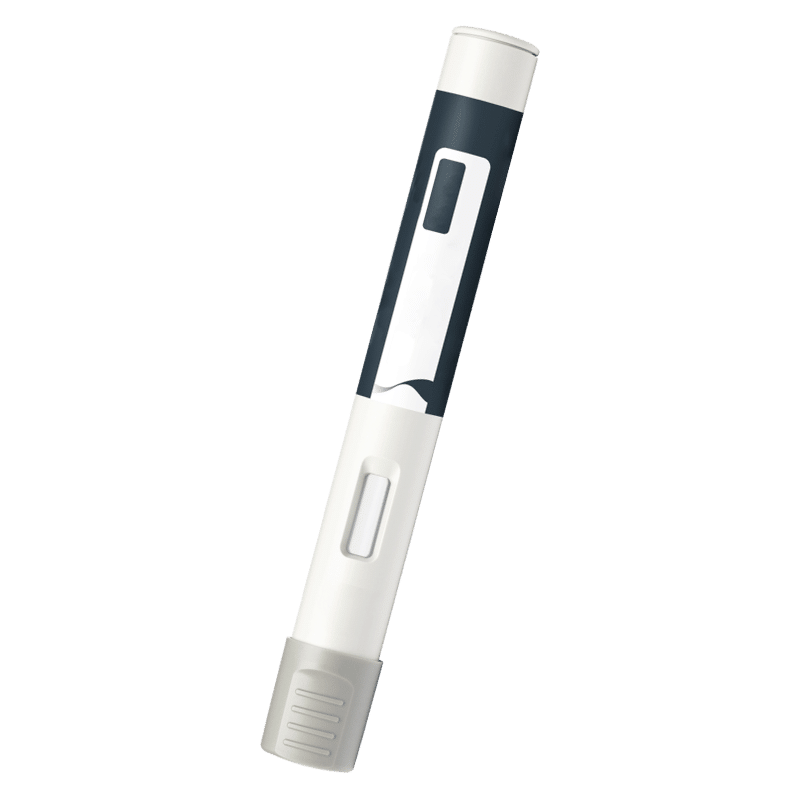
Wegovy can be an effective weight loss treatment, but like any medication, it can cause side effects. Fortunately, though, they don’t tend to last long, and should subside as your body adjusts. Gastrointestinal side effects are most common because its active ingredient, semaglutide, affects your stomach and digestive system.

Your clinician will work with you to minimise your risk of side effects by gradually increasing your dose and monitoring your health throughout your treatment.

Craig Marsh
Medically reviewed by
Craig Marsh, Independent Prescriber
Go to
Reviewed on Oct 20, 2026. by Mr Craig Marsh Independent Prescriber Registered with GPhC (No. 2070724) Next review due on Oct 20, 2029.
Craig

Last updated on Nov 02, 2026.

When do Wegovy side effects start?

It may take a few days for side effects to begin, as it takes time for the medication to enter your bloodstream and produce effects. For some people, these side effects can be intense, while for others they may be mild; it depends on how your body reacts to the medicine.

Side effects can also last anywhere from a few days to a week, but they usually subside as your body adjusts to the medicine. They might also temporarily worsen after each dose increase until your body adjusts to the higher dose.

Other effects may occur later in your treatment journey, such as muscle loss and hair loss, as a result of losing significant weight. Muscle loss can be mitigated by undertaking a high-protein diet and strength training, while hair loss can be managed with a nutrient-rich diet or hair loss treatments.

If your side effects persist or become unmanageable, let your clinician know. They might lower your dose or suggest an alternative treatment. Once you stop Wegovy, your side effects should resolve as the medication leaves your body, which can take several weeks

What side effects can Wegovy cause?

Wegovy can cause side effects, but not everyone will experience them. Most people experience gastrointestinal issues, especially when starting treatment and after dose increases. For the complete list of side effects, please refer to the patient information leaflet.

Very common side effects (affecting more than 1 in 10 people)

  • Headache
  • Nausea
  • Vomiting
  • Diarrhoea
  • Constipation
  • Stomach pain
  • Fatigue 
  • Feeling weak

In most people, side effects should subside relatively quickly. Maintaining a healthy diet, staying hydrated, and spending time outdoors can also help relieve these side effects. 

Common side effects (affecting up to 1 in 10 people)

  • Dizziness
  • Upset stomach
  • Gas
  • Burping
  • Heartburn or acid reflux
  • Gallstones
  • Hair loss 
  • Change in the way food tastes
  • Low blood sugar, especially if you have diabetes

Uncommon side effects (affecting up to 1 in 100 people)

  • Low blood pressure
  • Lightheadedness after sitting or standing up
  • Abnormal liver test results
  • Increased levels of bilirubin (a compound formed during the natural breakdown of old red blood cells), which could lead to jaundice. 

Why are gastrointestinal side effects common with Wegovy?

Because of the way semaglutide works, gastrointestinal side effects are quite common. One way Wegovy affects the body is by delaying stomach emptying, which helps you feel fuller for longer, but also causes food to remain in your stomach for longer. This can also contribute to heartburn, acid reflux, and in more serious cases, gallstone formation.

Additionally, Wegovy mimics a hormone produced by your body, GLP-1, which tells your brain you’re full. This reduces your appetite, but because of this, you might eat less food and drink less water, which could lead to constipation, stomach pain, and dehydration.

Other Wegovy side effects that may be serious

Common serious side effects:
  • Complications of diabetic eye disease (diabetic retinopathy)

Diabetic retinopathy is a complication of diabetes where your retina is damaged, which can lead to vision loss or blindness. It’s a common side effect of diabetes, affecting up to one in ten people. Wegovy doesn’t directly cause diabetic retinopathy, but sudden changes in blood sugar can worsen eye damage. You should let your clinician know if you've had previous eye problems so they can monitor your health more closely throughout your treatment. Diabetic retinopathy can be manageable with the right care, so it’s important to tell your clinician about your full medical history. 

Uncommon serious side effects:
  • Inflamed pancreas (pancreatitis) 

Rapid weight loss can increase the risk of gallstones, which could lead to pancreatitis. If you experience symptoms of severe stomach pain in the abdomen and back that doesn’t go away, seek medical attention immediately. Pancreatitis can be life-threatening, so it’s important to get treated straight away. 

  • Kidney and bladder issues

If you experience severe lower abdominal pain or difficulty urinating, get medical help immediately.


Rare or very rare serious side effects
  • Severe allergic reactions
  • Hip fractures
  • Non-arteritic anterior ischemic optic neuropathy (NAION), where you experience sudden vision loss.

If you experience any of these side effects, seek medical help immediately.

What Wegovy side effects will cause you to go to the hospital?

If you experience any of the serious side effects listed in the patient information leaflet, such as kidney and bladder issues, pancreatitis, or allergic reactions, it’s important to seek medical help straight away. Not treating these conditions promptly can be life-threatening. You should call 999 or visit A&E. Don’t drive to the hospital yourself as this could be dangerous. If you’re unsure whether the symptoms you’re experiencing are serious, you can call 111 for medical help, and they’ll guide you on what to do next.

Are there any long-term side effects of Wegovy?

Most side effects of Wegovy are mild and should subside as your body adjusts to the medicine or after you stop taking it. But there might be a few long-term side effects.

Gastrointestinal issues such as nausea, vomiting, diarrhoea, and stomach pain usually last a short time. But in a few people, they can persist even after several months of using the medicine, which makes it unpleasant to use Wegovy.

Other potential long-term effects include gallbladder problems, such as an increased risk of gallstones and gallbladder inflammation, kidney issues, diabetes-related eye problems, and mental health concerns.

Diabetic retinopathy (DR) is damage to the retina due to complications from high blood sugar levels. It might increase your risk of developing DR, and if you already have DR, semaglutide might temporarily worsen it. Factors that increase the risk of DR include older age and having diabetes for 10 years or more. A long-term clinical trial is currently investigating the effects of semaglutide on the development and progression of DR, which is planned to end in 2027.

Muscle loss (sarcopenia) is also a long-term concern when using Wegovy. It happens when you lose weight rapidly, have insufficient protein intake, and lack strength training. Muscle loss can lead to functional decline, especially in older adults, resulting in decreased mobility and weakened grip strength.

Your clinician will do their best to avoid long-term side effects. They’ll remind you to make dietary changes, such as eating smaller portions, consuming a high-protein diet, and adopting lifestyle changes like drinking more water and increasing physical activity. Most of these side effects can be avoided with lifestyle changes or with medication. If you notice any symptoms that persist or if you have concerns, let your clinician know.

On the positive side, there are many long-term benefits to using semaglutide, including a reduced risk of cardiovascular events, improved blood sugar levels, enhanced mobility, and much more.

Can I lower my risk of side effects on Wegovy?

Yes, there are several things you can do to lower your risk of certain side effects.

Nausea and vomiting

To help reduce nausea, try eating smaller portions more frequently throughout the day instead of having a few large meals. Opt for a bland, less spicy diet, as it can be easier on the stomach to digest. If you’re struggling with nausea, taking ginger supplements may help relieve it. Staying hydrated by drinking plenty of water can also be beneficial.

Stomach pain

For stomach pain, make sure to stay hydrated and drink herbal teas like peppermint or mint tea to soothe your stomach. Applying a warm compress, such as a hot water bottle, can help with bloating and relieve stomach cramps. Stick to eating bland foods that are easier to digest and and adjust your fibre intake if certain foods worsen bloating or discomfort. Regular movement can also help food pass through your digestive system, which may relieve stomach discomfort.

Diarrhoea

To avoid diarrhoea, eat simple, bland foods and avoid fatty or sugary foods. Diarrhoea generally resolves on its own, but in some cases you might need to take anti-diarrhoea medication. Talk to your clinician first, though, as some medications for diarrhoea can worsen other Wegovy side effects. If you experience diarrhoea, make sure to stay well hydrated and consider drinking electrolyte water to help maintain hydration.

Constipation

To prevent constipation while on Wegovy, make sure you have enough fibre in your diet, drink plenty of water, and move regularly. These habits will help your food move through your body, preventing constipation. Taking prebiotics and probiotics can also be beneficial, as they support gut health. If your symptoms don’t improve, you might need to take laxatives.

How we source info.

When we present you with stats, data, opinion or a consensus, we’ll tell you where this came from. And we’ll only present data as clinically reliable if it’s come from a reputable source, such as a state or government-funded health body, a peer-reviewed medical journal, or a recognised analytics or data body. Read more in our editorial policy.

Reference Popover #ref1
Reference Popover #ref2
Reference Popover #ref3
Reference Popover #ref4
Reference Popover #ref5

Tell us what you want to hear.

Have a subject you’d like us to cover in a future article? Let us know.

Give us the inbox treatment.

We're making healthcare more about you. Sign up to our newsletter for personalised health articles that make a difference.

Disclaimer: The information provided on this page is not a substitute for professional medical advice, diagnosis, or treatment. If you have any questions or concerns about your health, please talk to a doctor.