100% online
Get back on track with access to diet and exercise plans, created by experts.
Home | Blog | Weight Loss | How to prevent a weight loss plateau on Wegovy
Losing weight isn’t always straightforward. Factors like age, genetics, metabolism and lifestyle can often mean weight loss doesn’t follow a smooth, linear path. Weight loss can happen at a different rate for each person pushing towards their target, and there are no one-size-fits-all techniques to guarantee when you’ll get there.

Last updated on Oct 24, 2024.
Summary:
- It’s common to experience plateaus during a weight loss plan, but there are several things to try that might help you out of it.
- Adjust your diet to consume fewer calories from carbohydrates and fats, and instead choose protein and fibre-rich foods which will keep you feeling fuller.
- Working harder isn’t always the answer — better sleep, drinking more water, and managing stress can all help you reach a healthy weight.
- If you’re not on the highest Wegovy dose, moving up might get you back on track.

A weight loss plateau is when you stop losing weight for a period of time, and it can happen for a number of reasons.
Using treatments like Wegovy can help get your weight down to a healthy level, but at some point you might find things aren’t changing at the rate they were before. So what should you do during a plateau?
It’s common for the rate of weight loss to slow once you’ve been using treatment for a while, but there are a few things you can try to get things going again. Here, we’ll look at adjusting your diet, upping your activity levels, and changing your approach to get your weight loss journey back on track.
Weight loss: Here's what we've got.
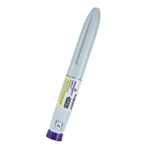
Highly effective daily injection. It interacts with your brain to make you feel more full.

When you start using Wegovy, you’ll be advised to make changes to your diet in order to create a calorie deficit. This is widely considered the most important factor when trying to lose weight. Going forward, you need to be realistic and reasonable about your diet, and moderation is essential. Moderation means finding a balance between the quality of the food you eat, and the amount you eat. Getting more exercise will also be recommended as part of your plan, as both approaches can improve how well Wegovy works.
But if your weight loss has stalled, it might be time to take a closer look at which foods you’re eating. Rather than focusing on the number of calories you’re trying to reduce each day, it can be helpful to get a better understanding of the role nutrition plays in weight loss. While the injections will reduce urges to overeat and encourage you to eat less, focusing solely on eating fewer calories than you burn might mean you’re missing out on vital nutrients. It could also leave you feeling tired and lethargic if you don’t fuel your body in the right way.
Protein, for example, can be a good place to start. Clinical trials that studied patients eating a high protein diet for 6-12 months showed it helped both weight loss and could prevent regaining weight. Eating more protein also led to greater feelings of satiety, boosted metabolism, and increased amino acid levels in the blood of those who took part.
Being selective about the protein you choose can keep you feeling full while providing the nutrition you need to stay energised. This is important for weight loss, as you need lasting motivation to stick to your plan. Remaining disciplined is key, and eating well can act as a backbone to your weight loss plan, helping you avoid snacking on unhealthy foods.
Aim for lean proteins such as beans, eggs, pulses and fish. Oily fish, such as mackerel and salmon, can meet all your protein needs while adding omega-3 fatty acids to your diet. These help brain function (again, good for motivation) and reduce inflammation, which can aid recovery.
Fibre is another important aspect of your diet to consider. Like protein, it can help you feel fuller for longer. Fibre also slows down digestion, which helps prevent blood sugar spikes. Slower digestion also means your body has longer to absorb nutrients from the food you’ve eaten.
If you feel like you’re experiencing a plateau, looking at your protein and fibre intake could help you eat fewer calories while still feeling satisfied after meals. Creating even more of a calorie deficit than usual could be the change needed to get your consistent weight loss back on course.
Understanding how weight loss affects your metabolism is something else that could help you out of a plateau. When you first start your weight loss plan, you might find your metabolism speeds up as you make an effort to be more active. The rate you burn calories when resting can increase as you move around more at the same time as eating less.
Soon, though, this process starts to slow down. As you lose weight, your metabolism stabilises in an effort to maintain your energy levels. This effect is compounded if you’re not building muscle at the same time as losing weight — muscle loss can slow down your metabolism, and your weight loss can come from your muscles as well as fat.
One way to counteract metabolism changes is to exercise more, or increase the intensity of the workouts you do. Introducing weight or resistance training into your gym routines means you can build muscle mass, which helps reverse the slowing down of your metabolism. Strength training can also improve your resting metabolic rate (RMR), which is the rate you burn calories while resting. The stronger and more muscular you get, the better your RMR should become.
Aim to do strengthening activities at least twice weekly, and try to complete 150 minutes of moderate-intensity each week.
Using Wegovy won’t suddenly make you want to use the gym four times a week. Weight training, like cardiovascular exercise, has numerous benefits. As well as impacting your metabolism, it can improve your moods and help you sleep better. But it’s not for everyone.
In fact, you’re much more likely to return to an exercise you like doing, especially if it’s with other people. Losing weight can be hard work, so heaping pressure on yourself to endure workouts you’re not enjoying might actually be counterproductive. It might be helpful, then, to know that not all of the lifestyle changes that can pull you out of a plateau involve lacing up your running shoes.
It can be easy to fall short of your hydration needs each day when you’re trying to lose weight, especially if you’re exercising regularly. If it gets to the point where you start to feel dehydrated, you can start to retain water, leaving you feeling bloated.
Studies have shown a relationship between weight loss and water intake, so making sure you’re drinking enough could help you when the scales won’t seem to budge. Water is thought to play a role in metabolism and energy expenditure, and it’s common to mistake thirst for hunger.
Sleep is another factor you can control. Quality, restful sleep helps to regulate various hormones that could potentially contribute to a plateau. Two of these are leptin and ghrelin. These play a crucial role in appetite and fullness, and disrupting their function by missing out on sleep can upset your usual eating rhythms.
Staying up late can also create windows for snacking, which can of course mean reaching for unhealthy foods. And if you’re exercising more as part of your plan, getting at least eight hours sleep a night will make a huge difference for your motivation and energy levels when you next work out.
Plateaus can be frustrating, and it’s easy to feel demotivated if your weight loss comes to a standstill. It can be a test of your patience if you’re working hard but don’t seem to be seeing the right results, so feeling fed up when things slow down is understandable.
But it’s important to remember that the changes you’ve made so far are intended to be long-term. Losing weight isn’t a quick fix, and the road to reaching your target can be a test of your willpower.
Although it’s not easy, trying to remain positive can be the key to getting the ball rolling again. Stress is known to contribute to weight changes, so if you let the stress of a plateau get the better of you, you run the risk of falling into old habits such as overeating or turning to unhealthy comfort food.
Get back on track with access to diet and exercise plans, created by experts.

If you feel like changes to your lifestyle and routine aren’t helping you out of a plateau, speak to a clinician about whether you need to change the amount of Wegovy you take.
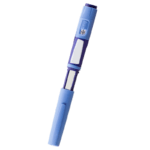
You usually change pens each month (starting with the lowest) until you reach a maintenance dose you’re comfortable with, but this won’t always be the same for everyone. You might have chosen to stick with the 1mg or 1.7mg pen as it’s working well for your weight loss goals. But if you find your weight loss has slowed down or stopped altogether, it could be time to move up to the next dose.
You can also chat about the other weight loss treatments that are available. If you don’t feel like Wegovy is helping you lose weight at a rate you’re comfortable with, we can discuss other medications that might be better suited to you.
Optimal Diet Strategies for Weight Loss and Weight Loss Maintenance. Journal of Obesity & Metabolic Syndrome, 30(1), pp.20–31.
Clinical Evidence and Mechanisms of High-Protein Diet-Induced Weight Loss. Journal of Obesity & Metabolic Syndrome, 29(3), pp.166–173.
Editorial: Stress-induced weight changes. Frontiers in Endocrinology, 14.
“Yes, Drinking More Water May Help You Lose Weight.” The Hub.
How we source info.
When we present you with stats, data, opinion or a consensus, we’ll tell you where this came from. And we’ll only present data as clinically reliable if it’s come from a reputable source, such as a state or government-funded health body, a peer-reviewed medical journal, or a recognised analytics or data body. Read more in our editorial policy.
Have a subject you’d like us to cover in a future article? Let us know.
We're making healthcare more about you. Sign up to our newsletter for personalised health articles that make a difference.
Disclaimer: The information provided on this page is not a substitute for professional medical advice, diagnosis, or treatment. If you have any questions or concerns about your health, please talk to a doctor.
We couldn't find what you're looking for.
Here's everything we treat. Or, if you're looking for something we don't have yet, you can suggest something.
By clicking 'Subscribe now' you're agreeing to our Privacy Policy.

(And leave your email too, so we can let you know if we write an article based on your suggestion.)
Last updated on Oct 24, 2024.
Our experts continually monitor new findings in health and medicine, and we update our articles when new info becomes available.
Oct 24, 2024
Published by: The Treated Content Team. Medically reviewed by: Mr Craig Marsh, Independent PrescriberHow we source info.
When we present you with stats, data, opinion or a consensus, we’ll tell you where this came from. And we’ll only present data as clinically reliable if it’s come from a reputable source, such as a state or government-funded health body, a peer-reviewed medical journal, or a recognised analytics or data body. Read more in our editorial policy.