Trusted Shops is a company that validates online merchants and offers buyer protection services.
They audit the processes companies use to trade online and provide a 'TrustMark' to those who meet their criteria of being price transparent, and offering quality customer service and data security.
Price checker
400 IU
400 IU
800 IU
800 IU
1000 IU
£26.95
28 Tablets £26.95
84 Tablets £35.95Save £44.90
Prices include:
Express shipping
24 hour shipping by secure courier.
Consultation + Access to our clinicians
Ask our experts anything you like, any time you want.
Total
£26.95
Save £0.00 each order
Reviewed on January 16, 2026. byDr Alexandra Cristina CowellWriter & Clinical Content ReviewerRegistered with GPhC (No. 2241935)Next review due on Jan 16, 2029.
Last updated on January 16, 2026.
Product info
Vitamin D supplement available in 3 strengths: 400 IU, 800 IU, and 1,000 IU.
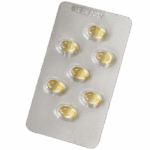
Comes as tablets or capsules.
Vegan and vegetarian, and gluten and lactose-free. Halal and kosher-friendly, too.
Price checker
400 IU
400 IU
800 IU
800 IU
1000 IU
£26.95
28 Tablets£26.95
84 Tablets£35.95Save £44.90
Prices include:
Express shipping
24 hour shipping by secure courier.
Consultation + Access to our clinicians
Ask our experts anything you like, any time you want.
SunVit D3 is a form of vitamin D that can be used as a supplement or treatment. It’s a type of vitamin D3, or more accurately, colecalciferol. You can get it in a capsule, tablet or oral solution – and there’s even a vegan tablet, which means there’s a product for almost everyone.
How does SunVit D3 work?
SunVit D3 works by increasing the levels of Vitamin D in your body in order to prevent or treat Vitamin D deficiency.
Vitamin D deficiency is a global problem. It’s estimated that around a billion people worldwide suffer from it.[1] With serious health risks associated, it’s important to be aware that it’s a problem that affects your muscles, teeth and bones – not to mention mood and energy levels.
The health benefits of taking vitamin D are well known, and something we all have the potential to get something from. Severe vitamin D deficiency is linked to osteoporosis, depression, low mood and muscle cramps when you’re consistently below the ideal levels.
The chances are you’re struggling to get all you need in winter, something that becomes even more of a problem if you have darker skin. For these reasons, you should consider taking SunVit D3 to prevent and treat vitamin D deficiencies.
How many doses of SunVit D3 are there?
Dosages for SunVit D3 vary greatly because they’re designed as a supplement and treatment. The treatment doses for deficiencies vary widely in particular, as the level of deficiencies people can have do, too.
For supplements there are SunVit D3 1,000 IU or 2,000 IU at the highest end and 400 and 800 IU at the lowest. For treatments, the most commonly used strengths are SunVit 20,000 products, but the highest dosage is 50,000 IU. So there are options to suit the needs of just about everyone.
Treated trusted sources:
Naeem, Z. 2010. Vitamin D Deficiency – An Ignored Epidemic. International Journal of Health Sciences. U.S.A. PMC.
This page was written by The Treated Content Team.
This page was medically reviewed by Dr Alexandra Cristina Cowell on January 16, 2026. Next review due on January 16, 2029.
How we source info.
When we present you with stats, data, opinion or a consensus, we’ll tell you where this came from. And we’ll only present data as clinically reliable if it’s come from a reputable source, such as a state or government-funded health body, a peer-reviewed medical journal, or a recognised analytics or data body. Read more in our editorial policy.
SunVit D3Colecalciferol
How to take SunVit D3
Always take prescription medications as instructed by your clinician or pharmacist, and do not exceed the recommended daily dosage for the daily supplements as this can have serious health risks. Vitamin D is usually taken with a meal, because this helps the body process it more efficiently. You should always swallow tablets and capsules whole with water.
Each dosage has its own instructions, but your prescribing clinician may suggest treatments that differ from these. The supplement doses are taken daily.To get the most out of them try not to miss any, as vitamin D levels build up over time.
3,200 IU products are usually taken once a day for a total of 12 weeks. For 5,000 IU products, this is shortened to eight weeks, and for 10,000 IU just four weeks. The larger doses of 20,000 onwards are usually taken once or twice a week for around six to seven weeks, but this can be extended if needed with monitoring from your clinician.
How long does it take SunVit D3 to work?
Vitamin D levels build over time, so depending on the strength of your dose and the severity of your deficiency, it can take between four and twelve weeks for your vitamin D levels to reach their optimal level.
If you are taking SunVit D3 in order to prevent vitamin D deficiency from setting in, then it should be working immediately so long as you maintain your daily supplement usage.
What should I do if I make a mistake when taking SunVit D3?
You should never exceed the recommended dosage or prescription instructions. Taking more than the recommended supplement doses over a prolonged period of time can lead to serious health problems. Taking too much of the treatment dosages can lead to serious issues immediately due to their strength.
If you’ve taken too much, seek immediate medical attention.
If you’ve missed a dose, then you shouldn’t have too much cause for concern. Simply take the missed dosage at the next suitable opportunity – as long as doing so does not make you exceed your recommended daily dosage.
This page was written by The Treated Content Team.
This page was medically reviewed by Dr Alexandra Cristina Cowell on January 16, 2026. Next review due on January 16, 2029.
How we source info.
When we present you with stats, data, opinion or a consensus, we’ll tell you where this came from. And we’ll only present data as clinically reliable if it’s come from a reputable source, such as a state or government-funded health body, a peer-reviewed medical journal, or a recognised analytics or data body. Read more in our editorial policy.
SunVit D3Colecalciferol
SunVit D3 isn’t suitable for everyone, and there are some things that you need to be aware of when taking it.
Here’s all the official info on it. If anything is unclear, let our clinician know, and they can talk with you about it.
SunVit D3Colecalciferol
FAQ: SunVit D3
Have something specific you want to know? Search our info below, or ask our experts a question if you can’t find what you’re looking for.
How is SunVit D3 different to other vitamin D supplements?
Answer:
SunVit D3 is halal friendly, kosher friendly, free from gluten and lactose, and suitable for vegetarians. It even has a vegan option available as well. As a result, SunVit D3 is suitable for a wide range of people with different dietary needs.
Is SunVit D3 similar to any other vitamin D supplements?
Answer:
Most Vitamin D supplements contain the same type of vitamin D: colecalciferol (vitamin D3). This is because it’s easier for your body to absorb than vitamin D2, which is the other available form of vitamin D supplement.[1]
As a result, most supplements will work in similar ways to keep you topped up with the sunshine vitamin. The main differences between them are: ingredients, type (pill, capsule, liquid), price and branding.
Which version and dose of SunVit D3 should I use?
Answer:
The different forms of SunVit D3 pills and liquids are all as effective as each other. There may be many reasons why one person might prefer one form over the other, such as dietary restrictions or having problems swallowing a tablet or capsule.
As for which dose you should take - this will depend on what you need it for.If you require treatment for vitamin D deficiency, you will need to take a stronger dose. Whereas if you just want to supplement your vitamin D in order to prevent deficiency, then one of the weaker dose options will be more suitable.
Do I need a prescription for SunVit?
Answer:
Lower doses of SunVit D3 supplements can be bought from your local pharmacy or even supermarket, but the higher treatment doses will need a prescription. Some vitamin D products do need a prescription and careful monitoring by a registered clinician, but if in doubt, speak to them, or to a pharmacist, about the best treatment for you.
Treated trusted sources:
Houghton, L.A. and Vieth, R. (2006). The case against ergocalciferol (vitamin D2) as a vitamin supplement. The American Journal of Clinical Nutrition, 84(4), pp.694–697
Last updated on Jan 16, 2026.
How we reviewed this page:
Our experts continually monitor new findings in health and medicine, and we update our articles when new info becomes available.
Why this page was updated on Jan 16, 2026
Content checked and updated as part of our 3-yearly periodic review, to ensure accuracy and currentness.
Current version (Jan 16, 2026)
Edited by: The Treated Content Team.Medically reviewed by: Dr Alexandra Cristina Cowell, Writer & Clinical Content Reviewer
Jan 04, 2023
Published by: The Treated Content Team.Medically reviewed by: Dr Daniel Atkinson, GP Clinical Lead
How we source info.
When we present you with stats, data, opinion or a consensus, we’ll tell you where this came from. And we’ll only present data as clinically reliable if it’s come from a reputable source, such as a state or government-funded health body, a peer-reviewed medical journal, or a recognised analytics or data body. Read more in our editorial policy.
This is healthcare on your terms.
All from the comfort of your device. Get access to what you need, when you need it.
100% online
Ask questions and get expert recommendations, at the touch of a button.
Tailored choices
We'll narrow down some treatments for you to choose from based on your medical profile.
Express delivery
Receive your treatment by secure delivery, in discreet packaging.
Repeats made easy
Set your own delivery schedule and pause or make changes any time you like.
When we present you with stats, data, opinion or a consensus, we’ll tell you where this came from. And we’ll only present data as clinically reliable if it’s come from a reputable source, such as a state or government-funded health body, a peer-reviewed medical journal, or a recognised analytics or data body. Read more in our editorial policy.
Reviews you can trust
All of our reviews are collected from real patients after their treatment has been delivered.
We publish reviews collected through independent platforms including Reviews.io and Trustpilot.