 Secure delivery
  UK clinicians
Here’s what's included in the price:

Consultation
Answer a few questions about your health so we can get to know you better.

Free 24h delivery
Your treatment delivered in secure packaging, the very next day.

Aftercare
We’ll check in with you regularly to see how your treatment is going.

Here’s what's included in the price:
Consultation
Answer a few questions about your health so we can get to know you better.
Free 24h delivery
Your treatment delivered in secure packaging, the very next day.
Aftercare
We’ll check in with you regularly to see how your treatment is going.


Best ED Medicines for Diabetes
How does diabetes affect a man sexually?
Diabetes has been linked to a range of sexual problems in men, including low libido, ejaculation and – most commonly – erectile dysfunction.
The main reason is physical: good blood flow and nerve transmissions are vital for erections to happen, and diabetes can interfere with both of these functions. But there’s a psychological element too. If you’ve got diabetes, you might be more aware of these potential problems – even if they aren’t happening yet – which could lead to psychological ED.
Does diabetes cause erectile dysfunction?
Diabetes can cause erectile dysfunction by interfering with your internal ‘plumbing’. Over time, high blood glucose can damage blood vessels, reducing blood flow to the penis and making it harder to get and maintain an erection.
There’s another way that diabetes can lead to ED too. Over time, severe cases of diabetes can lead to nerve damage, and affect the communications that control erectile function. When men become aroused, signals from the brain help blood vessels near the penis to widen and relax, so blood can get through and ‘fuel’ an erection. With diabetes-induced nerve damage, this process can become disrupted, making erections harder to achieve.
If you’ve got diabetes, there are ways you can treat erectile dysfunction and stop it from getting worse. One is to stick to your diabetes treatment plan – this will help to prevent your diabetes from progressing, causing further damage to blood vessels and making ED symptoms worse.
Another is to eat a healthy diet and exercise regularly. Doing this can help to improve your diabetes control, but also has the added effect of improving vascular health (which can contribute towards better erections).
And then there are treatments that can help increase blood flow to the penis, such as Viagra. While these don’t treat the instigating cause, they can help to tackle the problem of ED itself.
Type 2 diabetes and erectile dysfunction: what’s the risk?
According to Diabetes UK, men with diabetes are three times more likely to develop erectile dysfunction. Studies into how common erectile dysfunction is in diabetic men have suggested prevalences of 52% , and in men with type 2 diabetes specifically, 66% and 59%. A paper published by the American Diabetes Association suggested a prevalence of between 35-75%, compared with 26% in the general population.
So we know there’s a strong correlation between ED and diabetes, which indicates a higher risk. But the exact extent of the risk is debatable because other factors (many of which can be present alongside diabetes) can contribute towards erectile dysfunction too. It’s rarely possible to single out diabetes as the sole contributing factor.
Can diabetes stop you from ejaculating?
It’s thought that diabetes can cause ejaculation problems by interfering with nerve transmissions from the brain. Severe diabetes can lead to autonomic nerve damage, which impacts the muscles controlling how semen is released.
This can result in a condition called retrograde ejaculation, where semen travels backward into your bladder rather than out of your penis. It can also cause a general loss of sensation or reduced ejaculatory control. If you notice these changes, it’s a key sign to speak with your doctor about your blood sugar levels.
Medically reviewed by
Dr Alexandra Cristina Cowell
Writer & Clinical Content Reviewer
on July 15, 2026.
Meet Alexandra Cristina

This page was medically reviewed by Dr Alexandra Cristina Cowell, Writer & Clinical Content Reviewer on July 15, 2026. Next review due on July 15, 2029.
How we source info.
When we present you with stats, data, opinion or a consensus, we’ll tell you where this came from. And we’ll only present data as clinically reliable if it’s come from a reputable source, such as a state or government-funded health body, a peer-reviewed medical journal, or a recognised analytics or data body. Read more in our editorial policy.
Best ED Medicines for Diabetes
Which is the best ED pill for diabetics?
If you’ve got diabetes, the best pill to treat erectile dysfunction can depend on a few factors, including whether you’re on blood pressure lowering treatment, how severe your ED is, and any other medications you’re taking.
Several ED pills, including sildenafil (Viagra), vardenafil and tadalafil (Cialis) have been shown in clinical studies to be effective at treating ED in men with diabetes. They are safe to take alongside standard diabetes medications like metformin or insulin.
Sildenafil and Tadalafil are the most commonly prescribed options. Tadalafil is particularly popular because it’s available as a daily low-dose pill, offering continuous support without needing to plan ahead. Generic Vardenafil is another excellent option, although its original branded version (Levitra) has been discontinued, the generic equivalent works identically to boost blood flow when you need it.
Can you take Viagra if you have diabetes?
Sildenafil, which is also known by the branded name Viagra, is an effective treatment for diabetic men with erectile dysfunction to use. One study into the use of the drug in just over 100 men with ED and diabetes found that 55% were able to have at least one successful sexual intercourse’ after using it (compared to 15.6% in the placebo group).
Another study analysing sildenafil use in just over 250 men with diabetes and ED reported improved erections in 56% of participants (compared with 10% in the placebo group).
So if you have diabetes and ED, Viagra can be an effective treatment for you. But if you have diabetes and Viagra doesn’t quite work well enough or gives you side effects, you might be recommended a different treatment, like Vardenafil, rather than a higher dose of sildenafil. This is because higher doses of ED drugs like sildenafil pose a higher risk of side effects or interactions with other treatments.
Is sildenafil free for diabetics?
There are certain patient criteria in the UK that, if met, mean that someone with erectile dysfunction is entitled to branded treatment on an NHS prescription (which is free if you’re entitled to free treatment).
One is that if you have diabetes and erectile dysfunction, you can get an NHS prescription for Sildenafil, the generic version of Viagra. To access the treatment, you’ll need to make an in-person appointment with your GP. They can normally prescribe it without referring you to a specialist if you have diabetes.
Can diabetic erectile dysfunction be reversed?
Because diabetes can cause damage to blood vessels and the nervous system, it’s not always possible to fully reverse erectile dysfunction related to it. Sometimes, you might need to use ED treatment long-term to counter the problem.
But it is possible to improve erectile dysfunction symptoms associated with diabetes by controlling your blood sugar and following your diabetes treatment plan.
Some men who have diabetes and intermittent erectile dysfunction may find that their symptoms pass if they follow a healthier diet, maintain good blood sugar control and get plenty of exercise. If you have diabetes and think you might be experiencing ED though, it’s worth seeing a doctor so they can make sure your diabetes is well-controlled – as well as give you advice and treatment recommendations for your ED symptoms.
Medically reviewed by
Dr Alexandra Cristina Cowell
Writer & Clinical Content Reviewer
on July 15, 2026.
Meet Alexandra Cristina
This page was medically reviewed by Dr Alexandra Cristina Cowell, Writer & Clinical Content Reviewer on July 15, 2026. Next review due on July 15, 2029.
How we source info.
When we present you with stats, data, opinion or a consensus, we’ll tell you where this came from. And we’ll only present data as clinically reliable if it’s come from a reputable source, such as a state or government-funded health body, a peer-reviewed medical journal, or a recognised analytics or data body. Read more in our editorial policy.

Viagra
SildenafilThe one you've heard of. Works in 30-60 minutes and lasts for up to 5 hours.
- Starting from £38.95
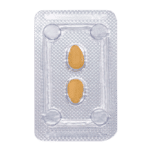
Cialis
TadalafilComes as an on-demand pill that lasts for 36 hours, or as a daily dose that's active all the time.
- Starting from £55.95

ED Trial Pack
Sildenafil, Tadalafil, Vardenafil, AvanafilA bit of everything. 3 different tablets you can try to see which one works best for you.
- Starting from £41.95
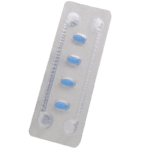
Sildenafil
SildenafilLike Viagra, but cheaper and works in the same way. Non-branded version of the original ED drug.
- Starting from £19.95
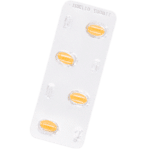
Tadalafil
TadalafilLike Cialis, but without the branding (so it's cheaper). 'Weekend' and daily options available.
- Starting from £24.95

Alprostadil
AlprostadilInjectible treatment for erectile dysfunction that gets to work in 5 to 20 minutes. Generic version of Caverject.
- Starting from £35.95
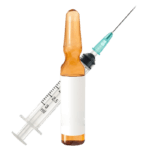
Invicorp
Aviptadil + PhentolamineInjection that's slightly different to Caverject. Recommended when other treatments haven't worked.
- Starting from £139.95
Caverject
AlprostadilInjectable treatment that works from 5 minutes. Good option if tablets haven't worked for you.
- Starting from £35.95
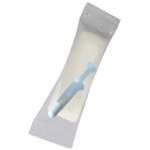
Vitaros Cream
AlprostadilCream that you apply to the tip of the penis and works from 5 minutes.
- Starting from £94.95
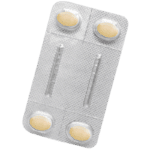
Spedra
AvanafilTablet that works from just 15 minutes. Works in the same way as Viagra and lasts for 5 hours.
- Starting from £34.95

Hezkue
SildenafilCan work within 5 minutes and may last up to 5 hours. Liquid pump version of Viagra.
- Starting from £99.95
Viagra Connect
SildenafilRebranded version of Viagra that comes in one dose (50mg) and doesn't need a prescription.
- Starting from £39.95
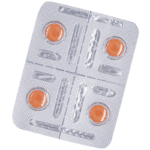
Vardenafil
VardenafilNon-branded version of Levitra. Works in the same way, but cheaper.
- Starting from £34.95
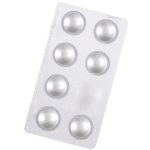
Aronix
sildenafilSimilar to Viagra connect — single-dose sildenafil, without the prescription.
- Starting from £43.95
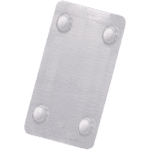
Liberize
SildenafilLiberize is a tablet for ED. Same active ingredient as Viagra, but cheaper.
- Starting from £33.95
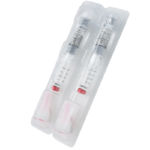
Viridal Duo
AlprostadilInjectable treatment that's very similar to Caverject. Works from 5 minutes and lasts up to 1 hour.
- Starting from £64.95

MUSE
AlprostadilSmall pellet you insert into the tip of the penis, that works from 10 minutes.
- Starting from £47.95

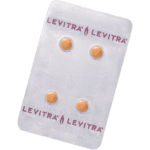
Levitra
VardenafilLower dose pill. Better option if you're older or have a pre-existing condition like diabetes.
- Starting from £33.95
Dr Daniel Atkinson

Registered with GMC (No. 4624794)
Meet DanielMs Sanjeda Chowdhury

Registered with GPhC (No. 2202465)
Meet SanjedaMr Craig Marsh

Registered with GPhC (No. 2070724)
Meet Craig
Some treatments can cause side effects
Always read the leaflet that comes with your medication and tell us about any side effects you get.
Choose how you do healthcare.
We know health, but you know you.
Our experts tell you what’s safe, but you decide what’s best.
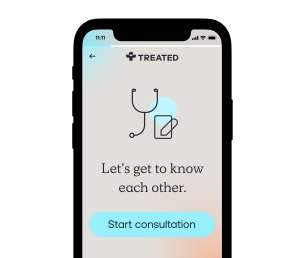
Consult on your own time
Answer a few questions and tell us about yourself. Get tailored advice from our clinicians so you can choose better.
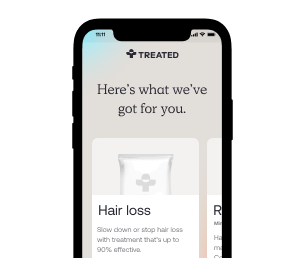
Treatments to fit your life
Choose your treatment and how often you have it delivered.
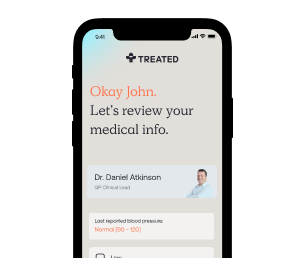
Your health,
continued
We know things change. It’s the nature of life. We’ll check in regularly to make sure your treatment is still right for you.
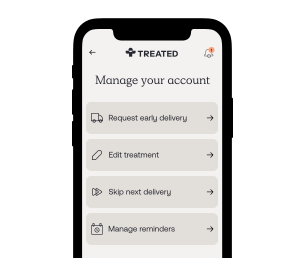
Control at your fingertips
Pause. Change. Skip. Start again. Any time you like.
Find treatment